Kitchen Grease Line Jetting in Philadelphia — Homes & Restaurants
Grease is the one clog material a cable cannot fix. It coats the full circumference of the pipe, and a snake just bores a channel through the coating. Jetting strips the coating. Everything else is delay.
- 2 to 4 hours
- Philadelphia Area
- 7 days a week
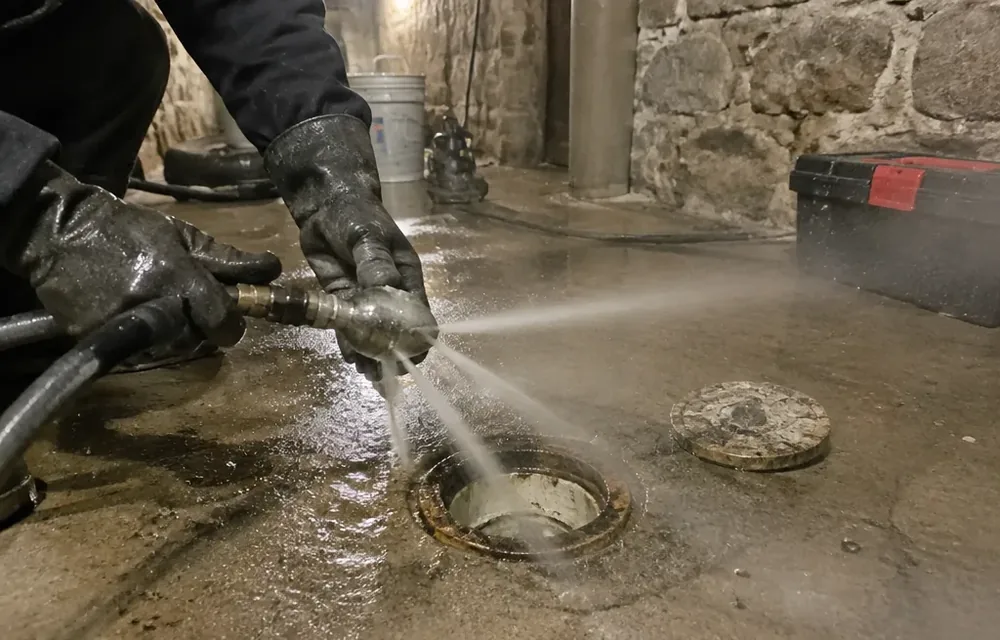
Signs you may need kitchen grease line jetting
Most people arrive here describing a symptom rather than naming a service. These are the three that point this way.
Kitchen sink draining slower every single month
Progressive slowing independent of use changes means congealed grease layers are narrowing the cast iron arm or lateral. Each layer bonds harder; only jetting strips the accumulated coating.
Backups return months after every snaking visit
A cable bores a greasy tunnel that closes over months, which is why the same kitchen line fails on an eighteen-month cycle. Recurring grease return is the textbook jetting indication.
Prep sinks backing up during dinner rush
Volume-linked kitchen failure under load means the line cannot pass peak flow through its narrowed bore. Restaurants need after-hours jetting coordinated with interceptor service, not another daytime cable.
Why grease beats every other tool except the jetter
Grease leaves the pan warm and liquid, then meets ground temperature inside a buried lateral and congeals onto the wall in layers — the cookie-cutter effect behind every repeat kitchen clog. In Philadelphia rowhouses the kitchen run is often long, flat and slow — rear kitchen to street main through cast iron and clay with little pitch — giving grease maximum distance and time to cool, settle and stick mid-pipe.
Roughened cast iron interiors make it worse: tuberculation scale gives grease a textured surface to key into, so each layer bonds harder than the last. A cable punches a greasy tunnel, flow resumes for months, the tunnel walls close in, and the backup returns — usually at dinner service or holiday cooking.
Only the jetter defeats it: 3,000 to 4,000 PSI through a reverse-firing nozzle that pressure-washes the full circumference, slices grease to particles and flushes it out. Restaurant corridors concentrate the problem. South Street, East Passyunk, Frankford Avenue, Baltimore Avenue and the Center City food blocks load shared combined mains with fryer and dishwater grease that cools against old iron. Scheduled jetting is how those kitchens stay open.
Rowhouse kitchens vs. restaurant kitchens
Rowhouse kitchen lines fail from length and age: decades of congealed layers inside cast iron branch arms and clay laterals, narrowed to a fraction of original bore. Homeowners meet this as a sink that drains slower every year and a line that needs cabling every eighteen months.
Restaurant lines fail from volume and code exposure: high fryer output, long runs to the grease interceptor, interceptor bypass during rush, and PWD scrutiny of what enters the combined system. A backed-up prep sink at 6 p.m. is lost revenue by the hour.
Both get the same jetting technology with different setups. Residential work stages from a basement cleanout with standard containment. Commercial work stages after hours where needed, coordinates with interceptor pump-outs, and documents the clean line for the record.
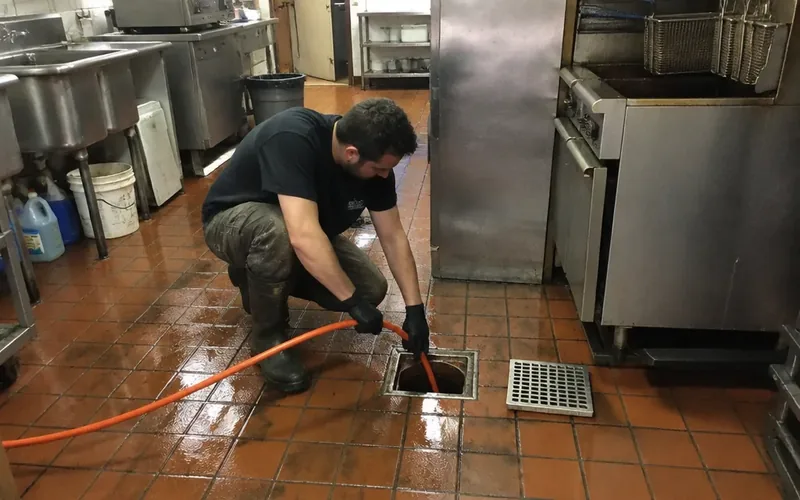
How a grease jetting visit works
Camera the loaded line first
Confirm grease vs. structural failure and map the coated zones by footage. Blistered Orangeburg or channelled cast iron changes the plan before pressure is applied.
Select the grease nozzle
Flat-surface and rotating nozzles that peel wall coating rather than just punching through. Penetrating heads open the initial path; finishing heads do the cleaning.
Jet in passes, far end back
Multiple passes flushing liquefied grease and food solids toward the main or interceptor — never packed downstream. Hot-water-assisted jetting where the setup allows.
Camera again for proof
After-footage showing bare wall where coating was. For restaurants, this documentation pairs with interceptor service records.
Set the interval
Residential grease lines typically every two to three years. Restaurants: quarterly to semi-annual by fryer volume and run length. Low-volume cafes may go annual.
Grease traps, interceptors and the line between them
The interceptor protects the city main; jetting protects the pipe between your fixtures and that interceptor. Both need schedules, and they should be coordinated — jetting a line downstream of a full, overdue interceptor wastes the visit.
Warning signs the line (not the trap) is failing: backups return within months of pump-outs, the cable comes back coated in soft brown layers rather than hard roots, and backups track cooking volume rather than rain. Those all describe wall coating, which only jetting removes.
Philadelphia kitchens discharging to combined sewers should treat grease discipline as system citizenship too: congealed grease plus storm grit is the compound blockage that closes shared mains during heavy rain. See commercial hydro jetting for full kitchen programs.
Cost and scheduling, plainly
Grease line jetting typically runs $325 to $900: residential kitchen runs at the low end, restaurant lines with long footage, after-hours staging or interceptor coordination at the high end. Camera verification is part of the job.
The interval math favors scheduling. One emergency backup — closed kitchen, wasted prep, wastewater cleanup — costs more than a year of planned jetting. Restaurants that hold their interval largely stop having grease emergencies; rowhouses on a two-to-three-year cycle stop the slow annual narrowing.
What does not work: enzyme and bacterial additives as a substitute for cleaning. They modestly slow re-accumulation on a freshly jetted line and do nothing measurable against an established coating. Buy them as maintenance, never as rescue.
Frequently asked questions
How much does grease line jetting cost in Philadelphia?
Typically $325 to $900 depending on run length, access, coating severity and commercial staging. A residential kitchen lateral sits low; a restaurant line with after-hours work and interceptor coordination sits high. Camera passes are included in the job.
Why does my kitchen line keep clogging after snaking?
Because the cable bored a channel through full-circumference grease coating instead of removing it. The channel closes over months and the backup returns. Recurring kitchen clogs on an eighteen-month cycle are the textbook jetting case.
How often should a restaurant jet its grease line?
Quarterly to semi-annual for most working kitchens, set by fryer volume and run length to the main. Heavy fried service with a long run needs quarterly; low-volume cafes often manage annual. We set it from first-pass camera footage.
Will jetting damage my old cast iron kitchen line?
We camera first precisely because channelled, thin-wall cast iron is a no-jet finding. Sound cast iron at matched pressure jets safely and shows dramatically improved bore. The camera pass is what separates those two outcomes.
Do enzymes replace jetting for grease lines?
No. Bacterial and enzyme products slightly slow re-coating on an already-clean line and cannot remove established layers. Use them after jetting as maintenance if you like; do not buy them as an alternative to cleaning.
Can you jet during restaurant operating hours?
Sometimes, but after-hours staging is usually cleaner — no diners stepping over hose runs, no prep interrupted. We routinely schedule nights and early mornings for food-service work. See our commercial program.
Guides that cover this in more depth
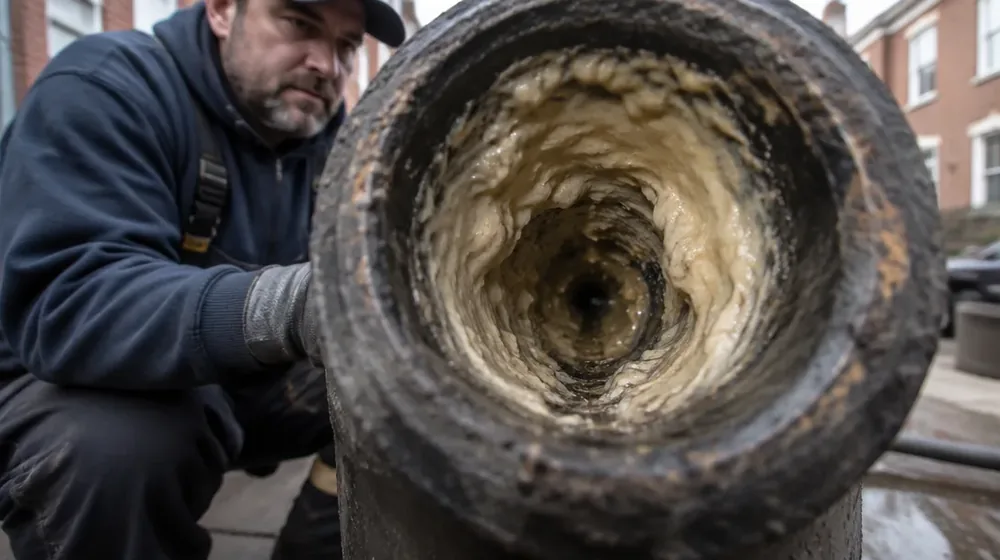
Grease Lines: Philly Rowhouses & Restaurants
Grease goes down warm and liquid, meets cold iron, and becomes a wall coating rather than a plug. That is why the same…
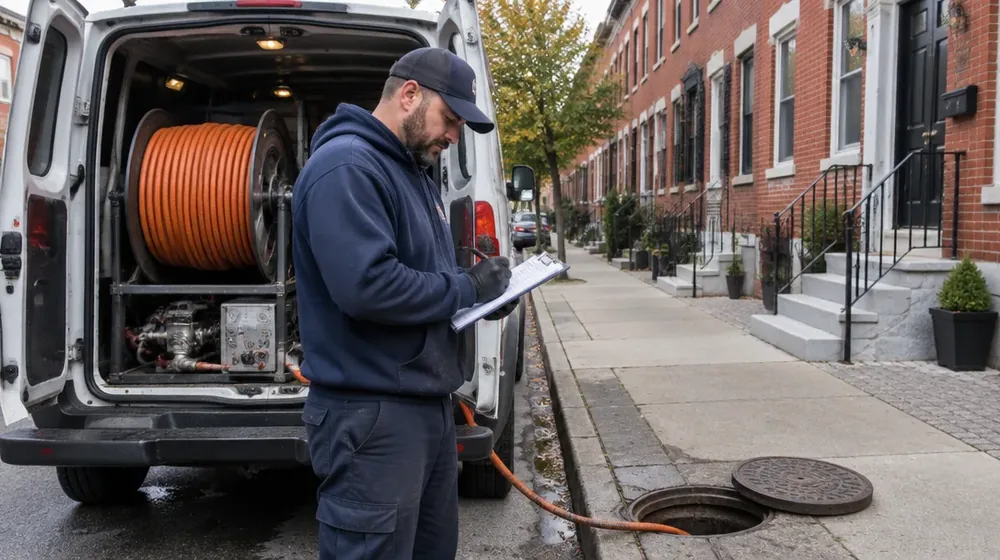
How Often Should You Hydro Jet? Philly Schedule
Most Philadelphia homes never need scheduled jetting, while grease-heavy kitchens, root-active clay laterals, and comm…
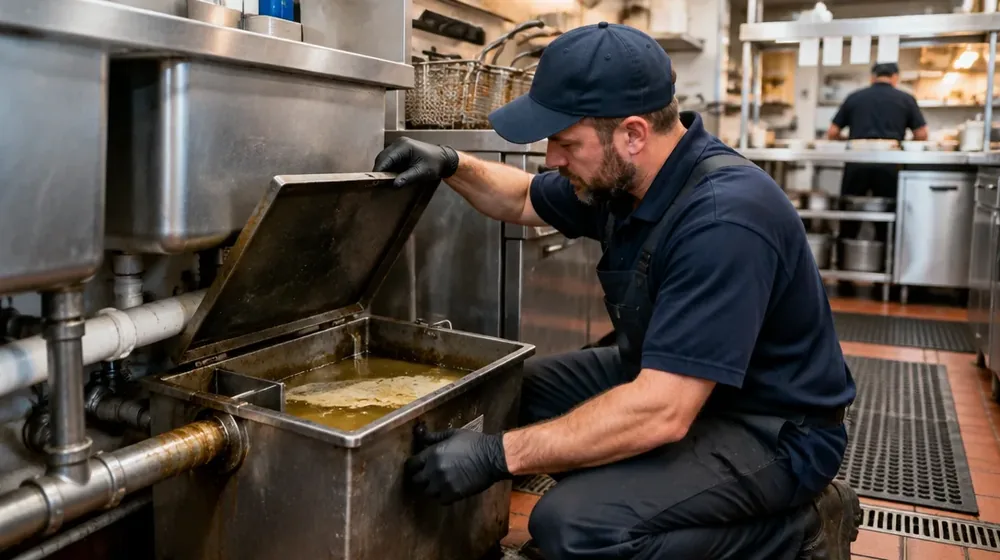
Restaurant Grease Trap Maintenance in Philadelphia
A Philadelphia kitchen flood rarely starts at the fryer; it starts weeks earlier as grease cools on iron, traps go too…
Related services
Hydro Jetting
A cable bores a hole through the clog.
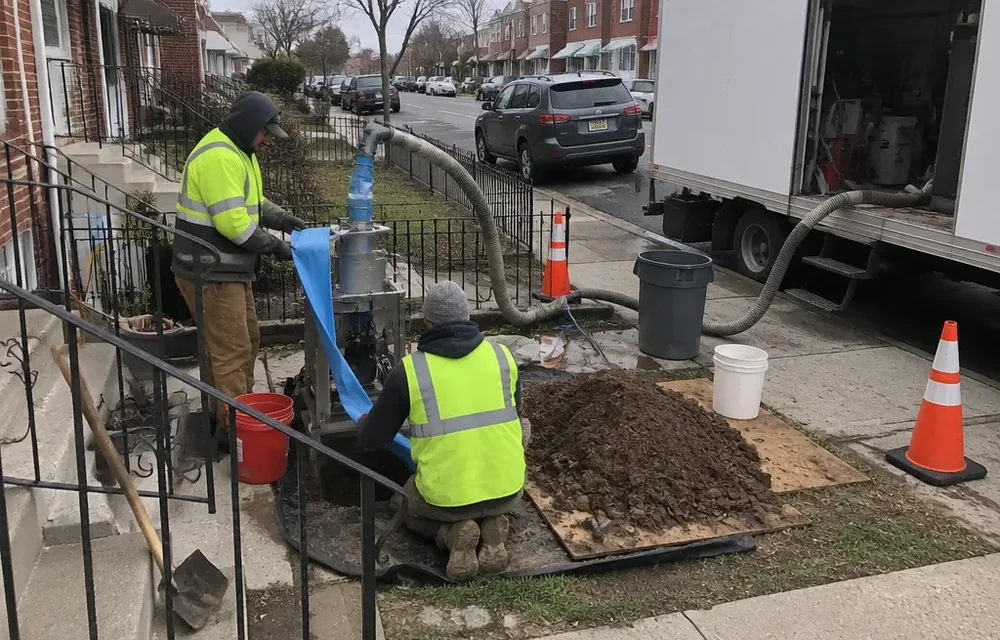
Commercial Hydro Jetting
Commercial drains fail on schedule — fryer volume, tenant count, storm season — so they should be serviced on schedule.
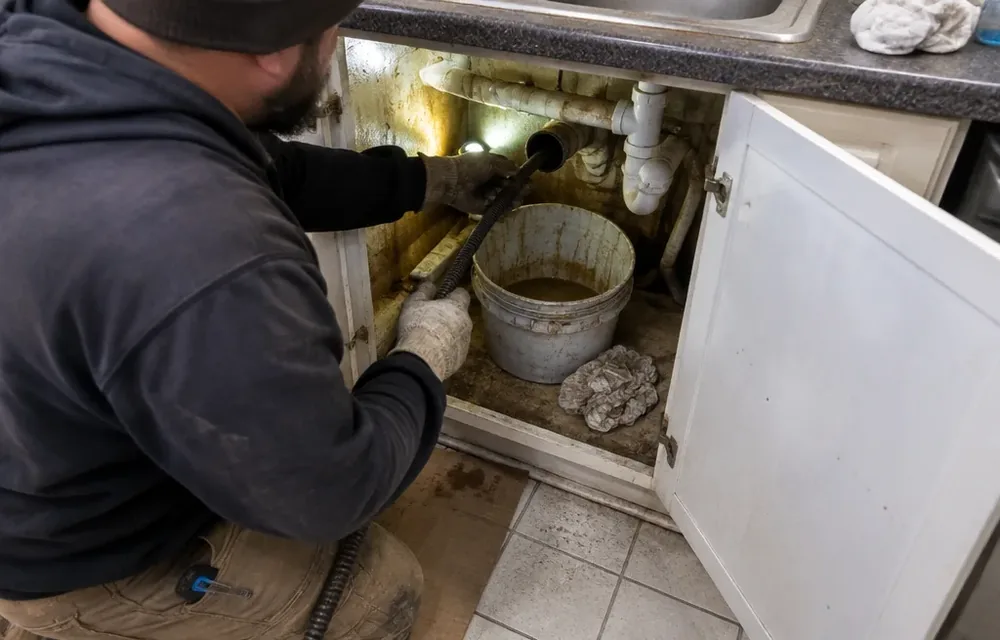
Drain Cleaning
A single slow sink is a nuisance.
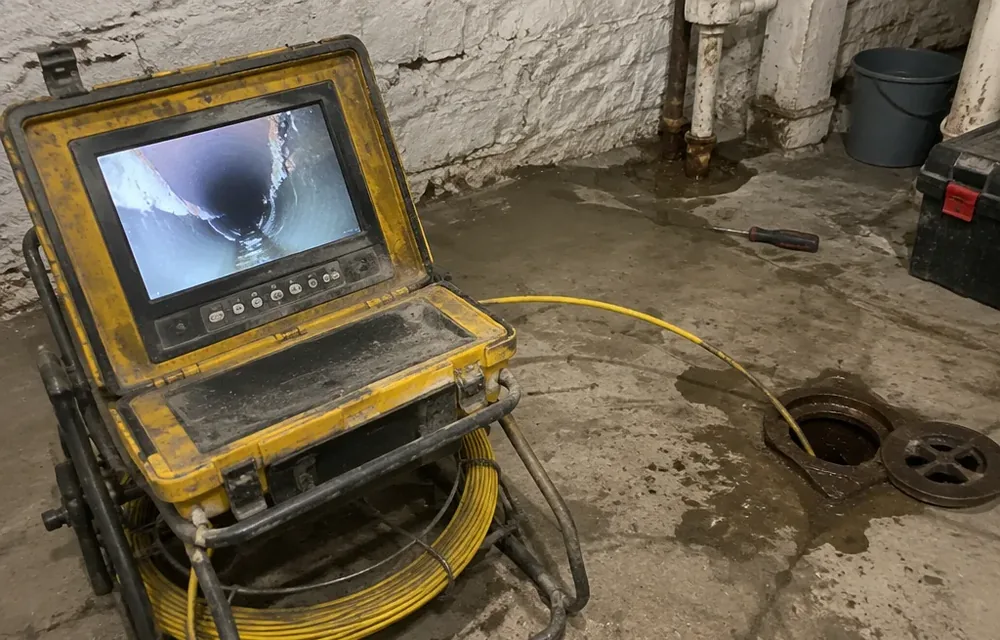
Sewer Camera Inspection
Every expensive sewer decision in Philadelphia — jet, repair, line, replace — depends on one thing: what the pipe actually looks like inside.
Kitchen Grease Line Jetting across Philadelphia and its suburbs
We provide kitchen grease line jetting in 32 Philadelphia-area towns. Local pages cover the housing stock and pipe materials specific to each area.
Philadelphia
Delaware County
- Upper Darby
- Media
- Yeadon
- Lansdowne
- Havertown
- Springfield (Delco)
- Chester
- Drexel Hill
- Ridley Park
- Swarthmore
- Darby
Montgomery County
- Norristown
- Abington
- King of Prussia
- Ardmore
- Bala Cynwyd
- Conshohocken
- Plymouth Meeting
- Jenkintown
- Cheltenham
- Willow Grove
- Lansdale
- Pottstown
- Ambler
- Horsham
- Hatboro