Emergency Drain Service in Philadelphia — 24/7 Backup Response
Sewage on the basement floor does not wait for business hours, and neither do we. Live 24/7 dispatch, an honest after-hours figure on the phone, and a crew that clears first and diagnoses second.
- 1 to 3 hours on site
- Philadelphia Area
- 7 days a week
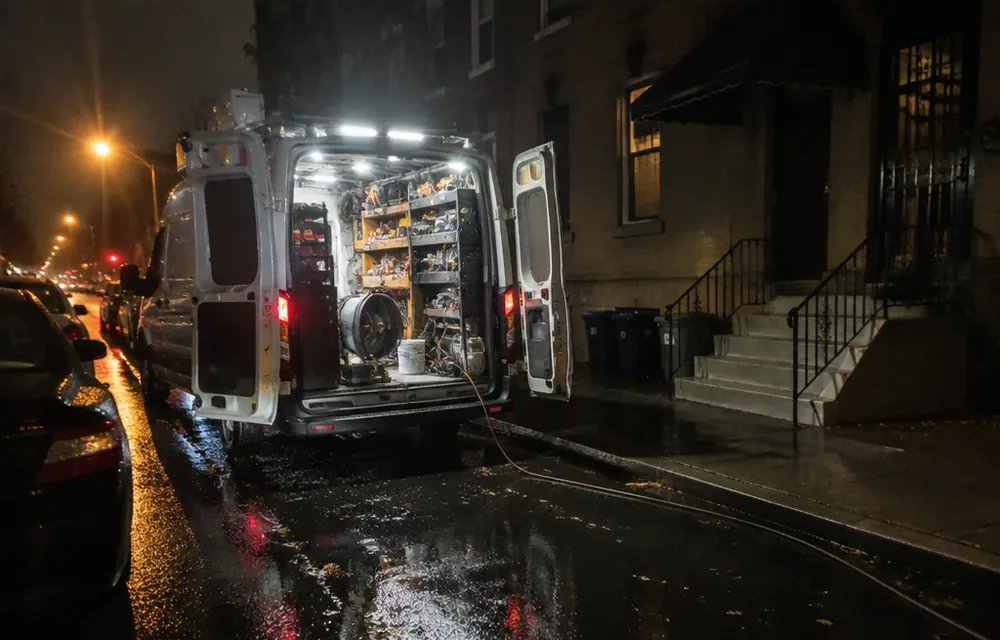
Signs you may need emergency drain service
Most people arrive here describing a symptom rather than naming a service. These are the three that point this way.
Sewage actively entering through any fixture
Wastewater inside the home through drains, toilets or tubs is an immediate health and property emergency. Stop all water use and dispatch help now; every gallon worsens the flooding.
Water rising in tubs when toilets flush
Cross-fixture rise during normal use means an active main-line blockage escalating toward overflow. This pattern gives little warning between slow and flooded — call before it crosses.
Basement drain surging during tonight’s storm
Rain-driven basement surging through floor drains signals lateral restriction or combined-main surcharge in progress. Overnight storm flooding rewards immediate response, not morning scheduling.
What counts as a drain emergency
Sewage entering the home through any fixture, drain or toilet — the clearest case. Every gallon used worsens it, and the water carries pathogens that make waiting a health decision, not just a comfort one.
Multiple fixtures failing together with water rising: tub filling on flush, basement drain surging during the washer cycle, toilets bubbling across floors. That is an active main-line blockage, and it escalates from slow to overflow without warning.
Rain-driven basement flooding through floor drains during cloudbursts — the combined-sewer surcharge signature across Philadelphia blocks. Even where the water looks dilute, combined flow is sanitary flow and gets treated accordingly.
What is not an emergency: a single slow sink or tub with everything else draining normally. That waits for a scheduled visit at scheduled prices — and we will tell you so on the phone rather than dispatching a premium truck.
What to do while the truck rolls
Stop all water use: no laundry, no dishwasher, no showers, flush only from necessity. With the lateral blocked, your plumbing is a closed container and every gallon finds the lowest opening — usually the basement floor drain.
Keep people and pets clear of backup water. Wear boots and gloves if entry is unavoidable, and do not run basement HVAC that recirculates damp air through the house.
If you know your main cleanout location, clear access to it — move storage, unlock the basement door, pen the dog. Ten minutes of access work on arrival is ten minutes of standing sewage avoided.
Photograph everything for insurance before cleanup begins. Most rowhouse policies need a water-backup endorsement for coverage; documentation made now supports whatever claim follows.
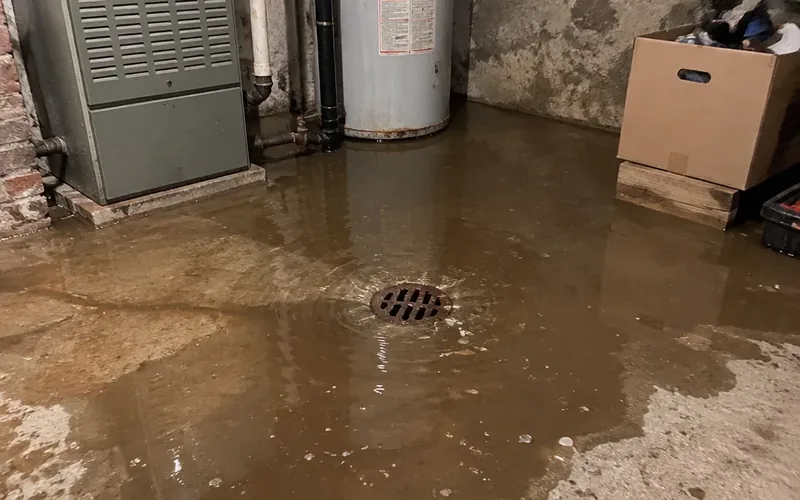
How the emergency visit runs
Phone triage and honest figure
Fixture pattern, rain timing, water-use history — then an after-hours price before dispatch. If it can wait until morning at scheduled rates, we say so.
Access and containment
Drop cloths, boot covers, wastewater containment. Rowhouse basements are tight; the work area stays controlled.
Clear the blockage
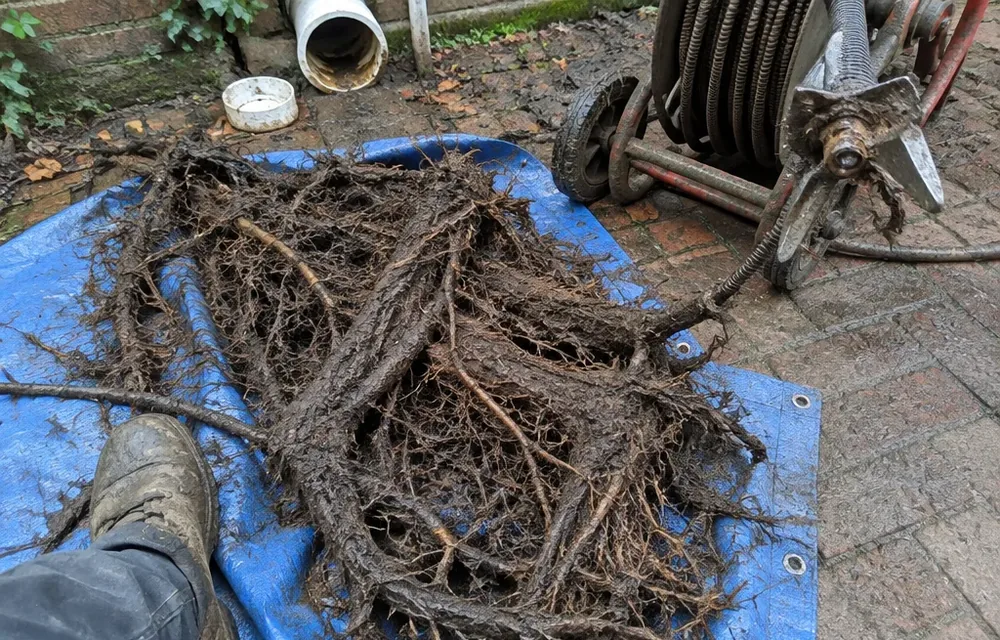
Correct machine and cutter head for the line — root cutting, debris clearing, grease opening — run until full-bore flow returns.
Verify under volume
Fill-and-flush testing proving the line carries real flow, not just that standing water dropped.
Diagnose the cause
Camera where indicated, with footage and a next-step recommendation: interval maintenance, jetting, valve protection, or repair. The emergency ends with a plan, not just a clearing.
After-hours pricing, stated plainly
Emergency visits typically run $225 to $750 depending on hour, cause, access and method. Nights, weekends and holidays carry a dispatch premium — disclosed on the phone before dispatch, never discovered on the invoice. Across the Philly market that premium usually presents as a diagnostic trip charge plus $90 to $620 per hour by timing and severity, with some larger shops offering flat-rate clearing instead.
True 24/7 dispatchers generally reach you in 20 to 45 minutes depending on crew location and storm load — ask for the ETA window on the phone, not just availability. The premium buys immediacy and containment, not a different standard of work: same machines, same verification, same written findings. Where camera verification or jetting follows the emergency clearing, that follow-on is quoted separately at standard rates.
Storm-peak honesty: during citywide cloudbursts, combined-sewer surcharge cases may need PWD-side resolution or backwater protection rather than another clearing. If clearing cannot help your situation, we say so instead of selling a visit. See basement floor drain cleaning for the surcharge explanation.
After the emergency: making it not recur
Most Philadelphia drain emergencies are repeatable events with identifiable causes: root-loaded clay joints, grease-over-grit laterals, bellies that fail under storm flow. The camera footage from the visit names the cause by footage mark.
Use-linked backups convert to maintenance intervals — scheduled cutting or jetting on the documented joints. See main sewer line cleaning and rooter service.
Rain-linked backups convert to protection — backwater valve evaluation and storm-structure maintenance. See basement floor drain cleaning and storm drain & catch basin cleaning.
Either path costs less than the next 2 a.m. backup. The most expensive emergency is the second identical one.
Frequently asked questions
Do you really answer 24/7 in Philadelphia?
Yes — live dispatch nights, weekends and holidays for active backups and flooding. Non-emergency slow drains are scheduled at standard rates; we triage honestly on the phone rather than dispatching premium trucks to non-premium problems.
How much does emergency drain service cost?
Typically $225 to $750 depending on hour, cause, access and method. The after-hours premium is disclosed on the phone before dispatch. Follow-on camera work or jetting is quoted separately at standard rates.
Sewage is coming up now — what do I do first?
Stop all water use, keep people and pets clear, clear access to the basement cleanout if you know it, and photograph the scene for insurance. Then call — every gallon used before the clearing becomes more basement water.
Can you come during a major rainstorm?
Yes, with one honest caveat: citywide cloudbursts surcharge combined mains across whole blocks, and surcharge-driven flooding may need PWD-side resolution or valve protection rather than clearing. We triage that on the phone before dispatching.
Will you tell me why it happened, not just clear it?
Yes. Camera verification where indicated, footage-marked findings, and a written next step — maintenance interval, jetting, valve evaluation or repair. The visit ends with a recurrence plan.
Is emergency backup damage covered by insurance?
Only with a water-backup endorsement, which many rowhouse policies lack or cap low. Standard policies generally exclude sewer backup. Photograph everything before cleanup and check your endorsement limit now.
Is emergency drain service the same as 24-hour drain cleaning?
Not exactly. Emergency drain service means a live dispatcher and a truck rolling now for sewage entry or flooding — $225 to $750 with the premium disclosed up front. 24-hour drain cleaning covers the full menu at night rates. If your problem can wait until morning safely, we will tell you and book the cheaper slot.
Guides that cover this in more depth
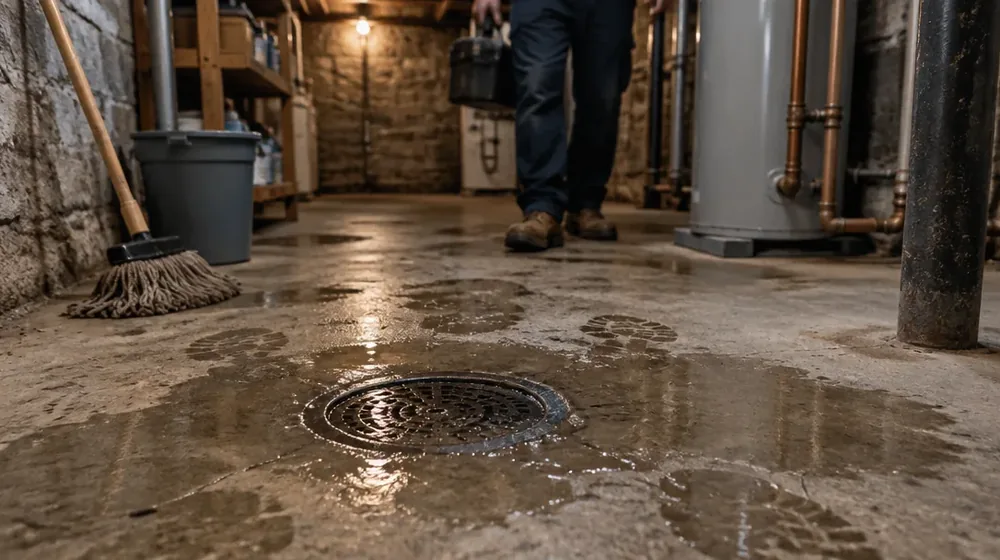
Basement Backup in Philly: Combined Sewers
When rain and sewage share the same Philadelphia main, a cloudburst can push water backward through the lowest drain i…
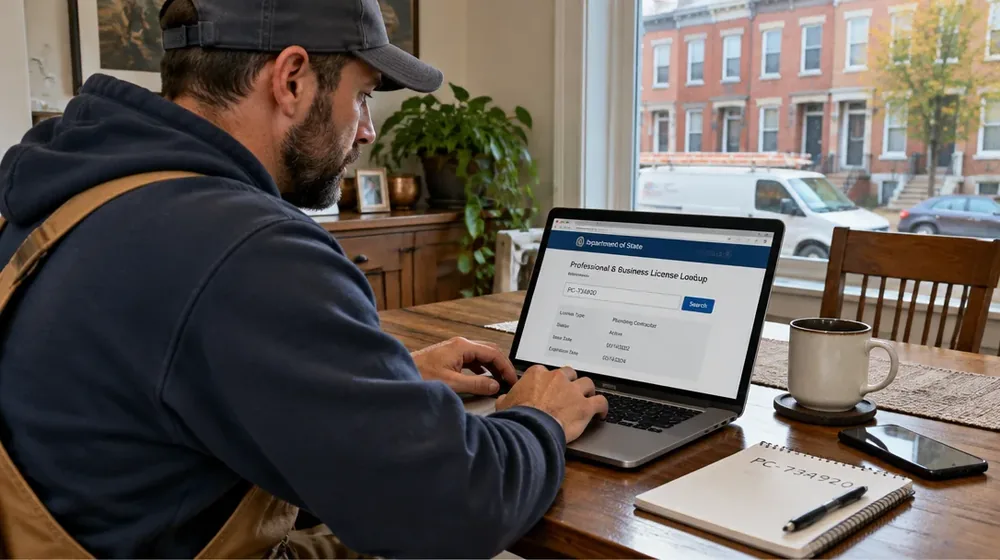
How to Check a PA Plumber License in Philly
Verifying license and insurance before work begins takes minutes and is the homeowner responsibility that protects eve…
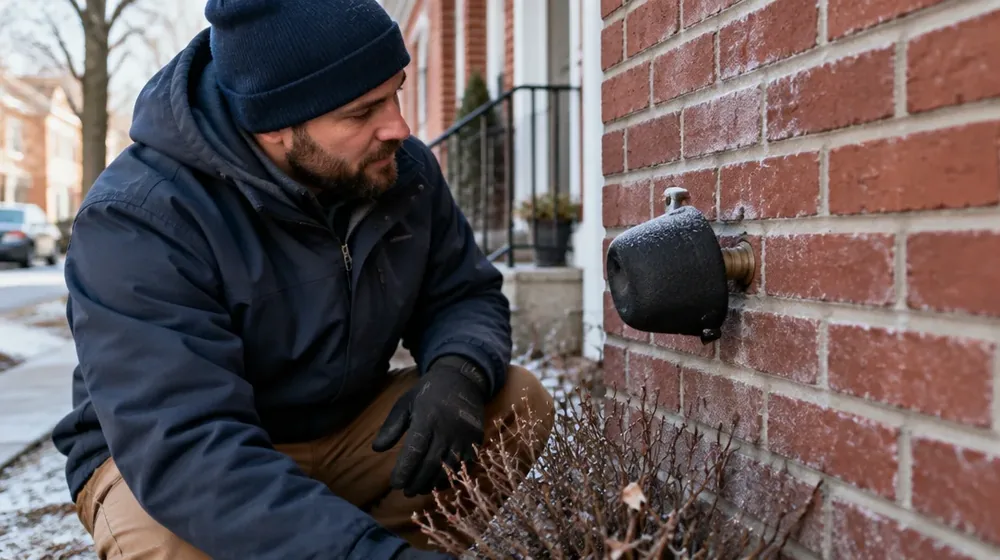
Winter Freeze Protection for Philly Drains
Philadelphia winters rarely freeze a buried lateral, yet every year they burst exposed pipes, heave cleanout risers, a…
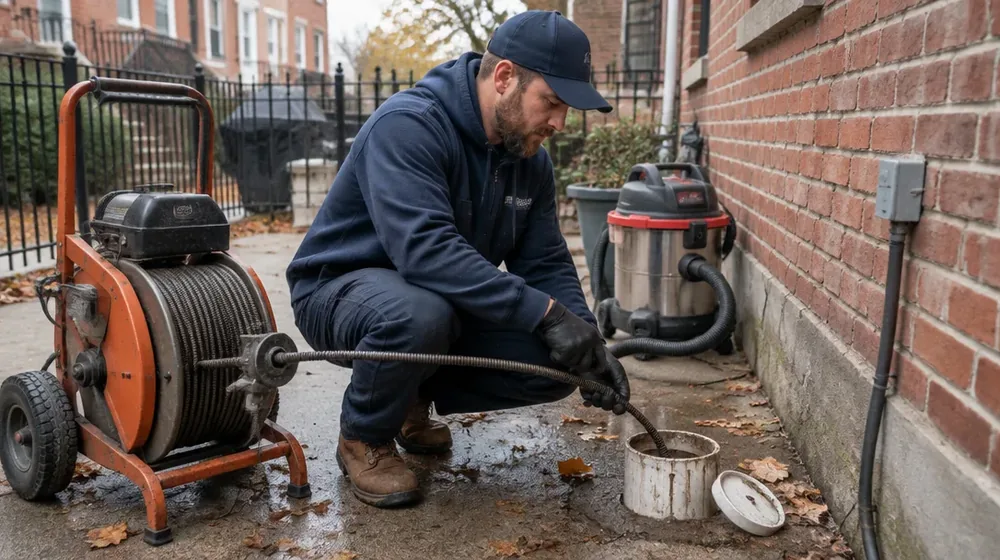
How to Unclog a Main Sewer Line Safely in Philly
When a main sewer line blocks, every drain in the house shares one failing exit. Safe homeowner triage means stopping …
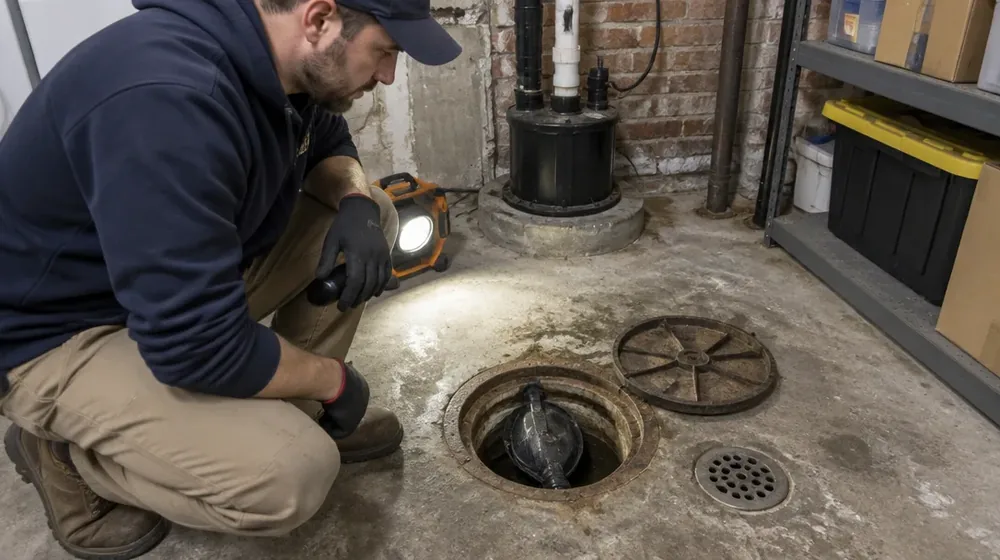
How to Prevent Basement Backup in Philadelphia
Prevention on a combined-sewer block means giving surcharge water no low opening to use and giving your own discharge …

How to Choose a Drain Cleaning Company in Philly
The right drain hire is a verifiable company, a camera-led diagnosis, and a written scope with a load-tested proof. Ev…
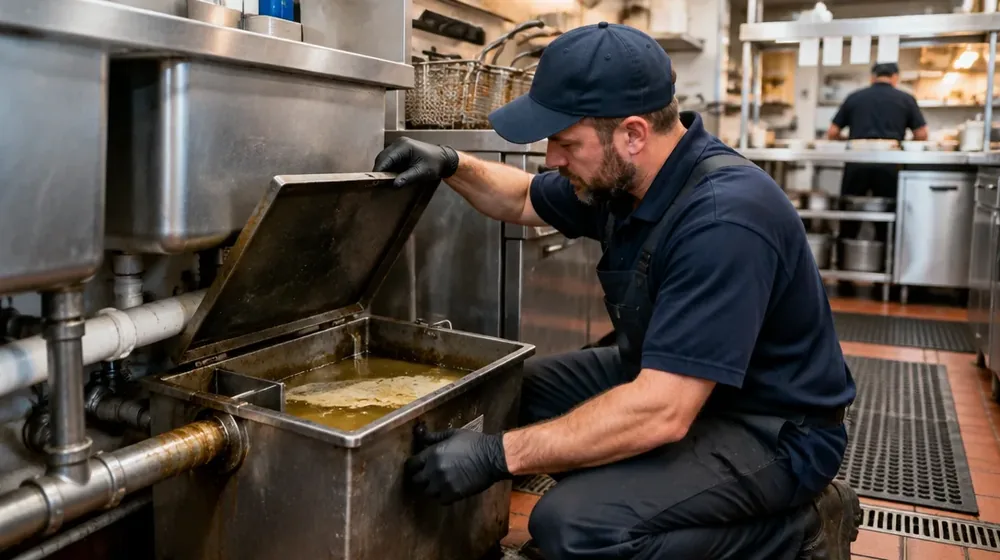
Restaurant Grease Trap Maintenance in Philadelphia
A Philadelphia kitchen flood rarely starts at the fryer; it starts weeks earlier as grease cools on iron, traps go too…
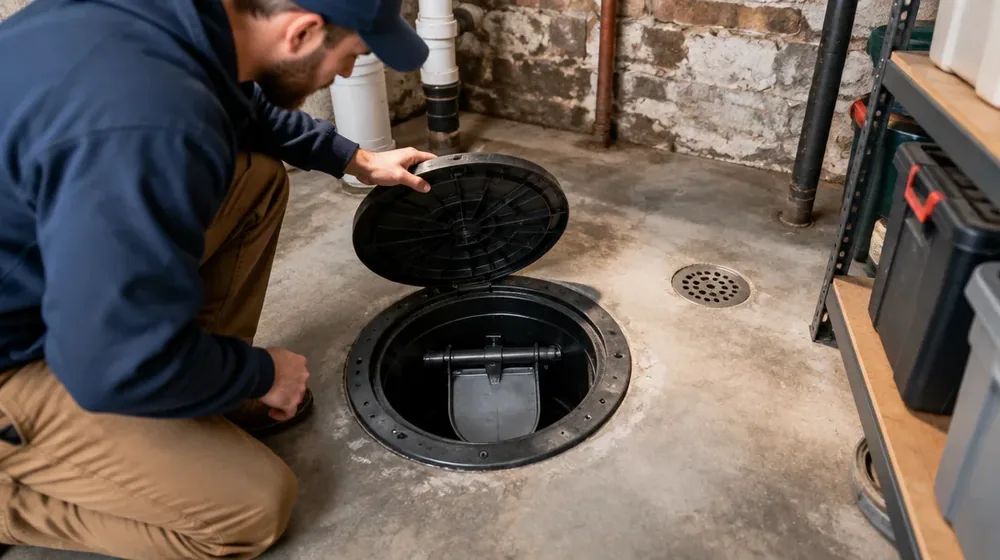
PWD Backwater Valve Program: Free Valve Guide
Philadelphia will install a backwater valve in a qualifying home at no charge to the owner through its Basement Backup…
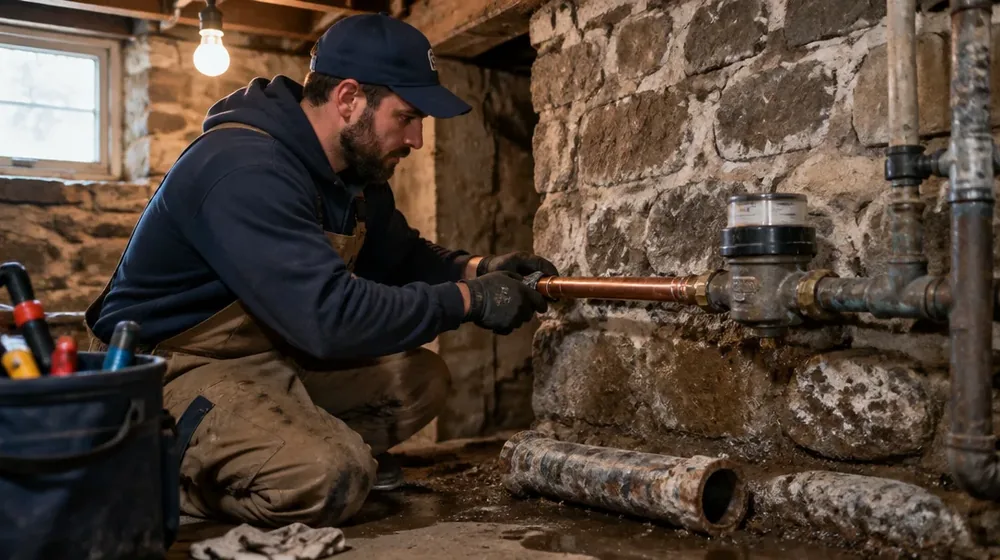
Lead Service Line Replacement in Philadelphia 2026
Philadelphia will replace a qualifying home’s lead drinking-water service line at no charge to the owner — during plan…
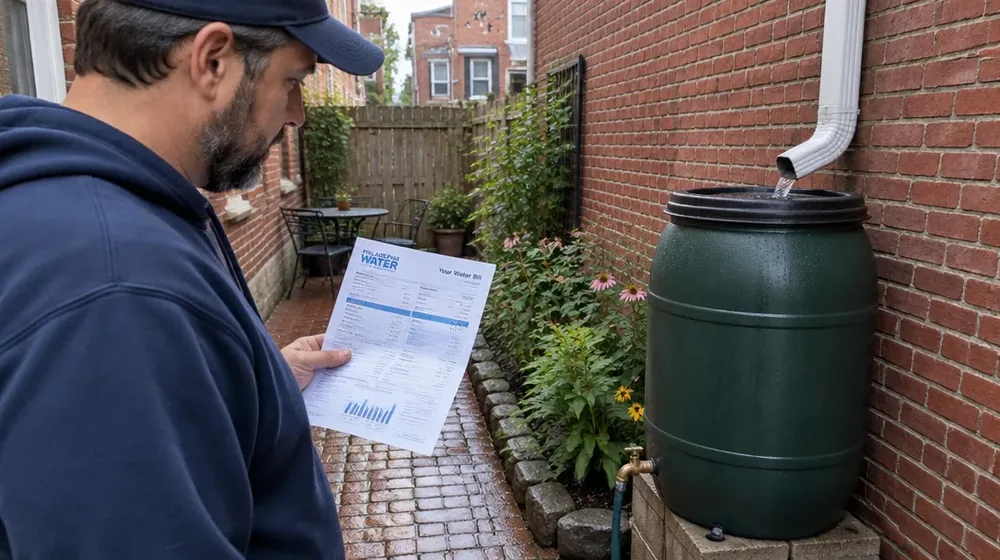
Philadelphia Stormwater Charge Explained for Homes
Every Philadelphia water bill carries a stormwater line, usually abbreviated SWMS, and it puzzles owners because it ne…
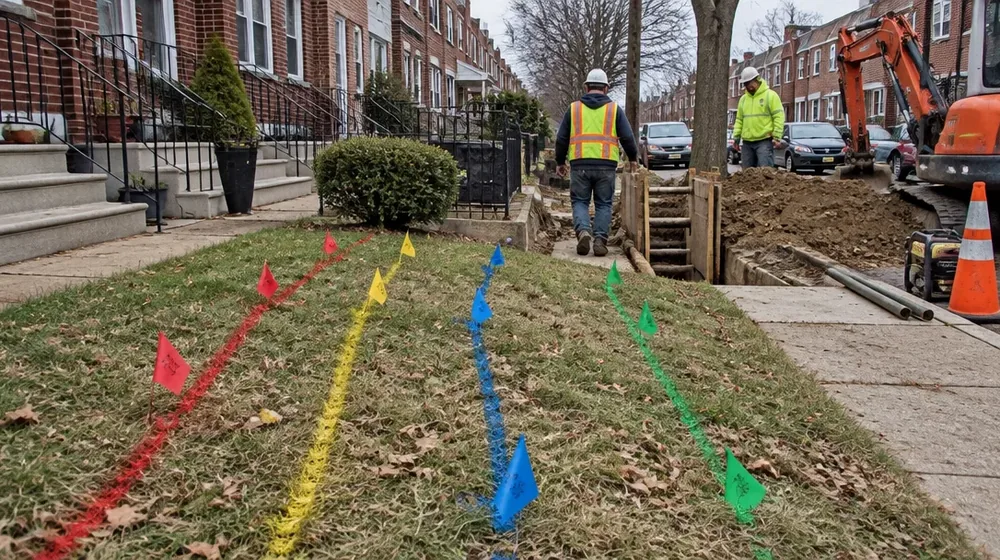
Call 811 Before Digging in Philadelphia: PA Guide
Any digging for sewer or drain work in Philadelphia, from a full lateral replacement to a small cleanout excavation, l…
Symptoms this service fixes
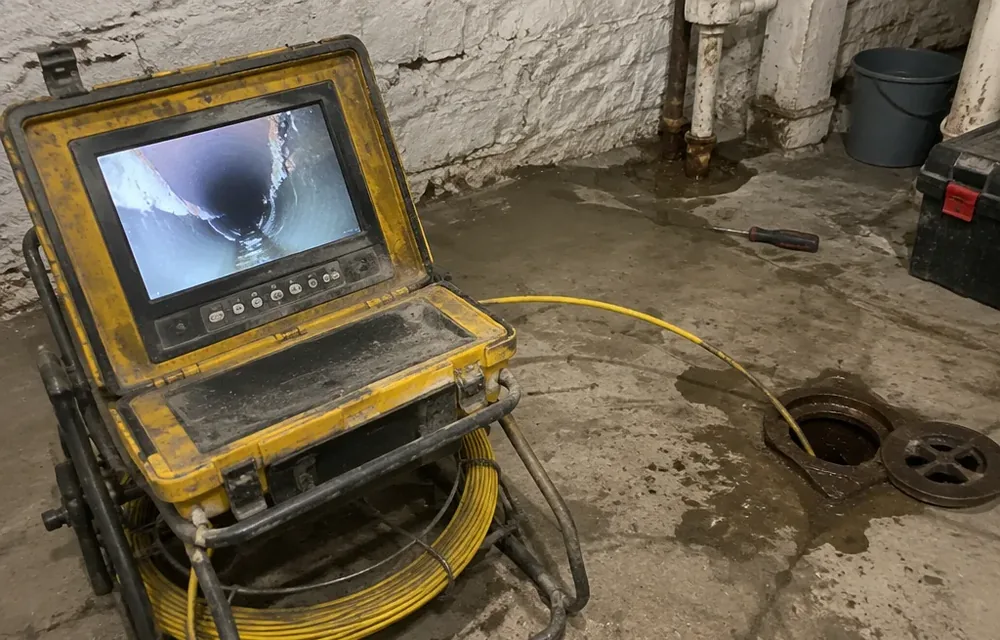
Sewage Smell in the Basement
Most basement sewage odor in Philadelphia comes from a dry floor-drain trap or a failed seal, both cheap fixes.
Water Backing Up Into Fixtures
Water rising where it should be leaving means the line downstream is blocked and every gallon you add has to surface somewhere.
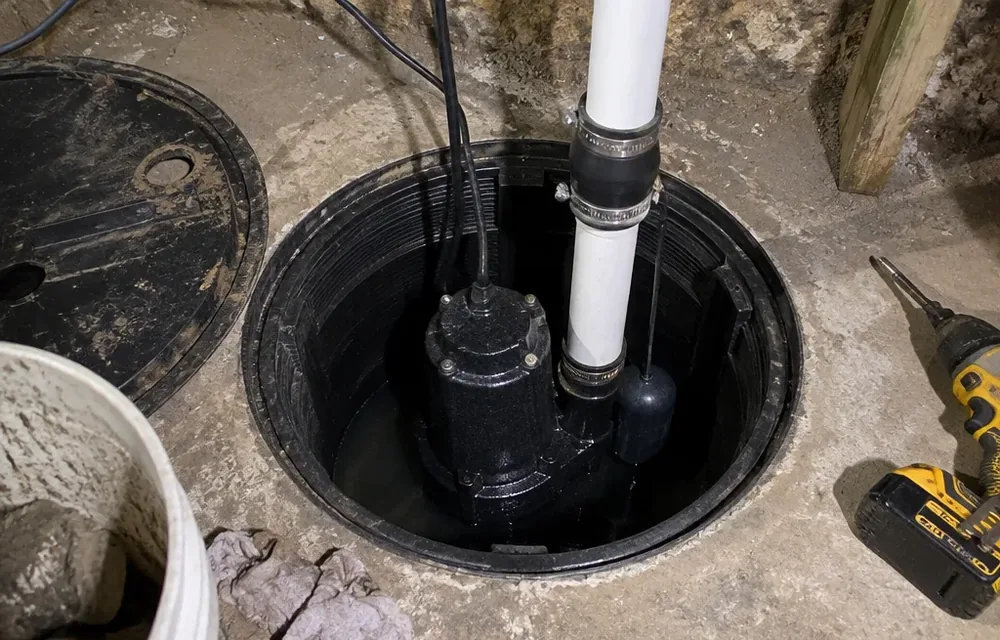
Water in the Basement Floor Drain
The basement floor drain is the lowest opening on your drainage system, so it is where every downstream restriction shows itself first.
Related services
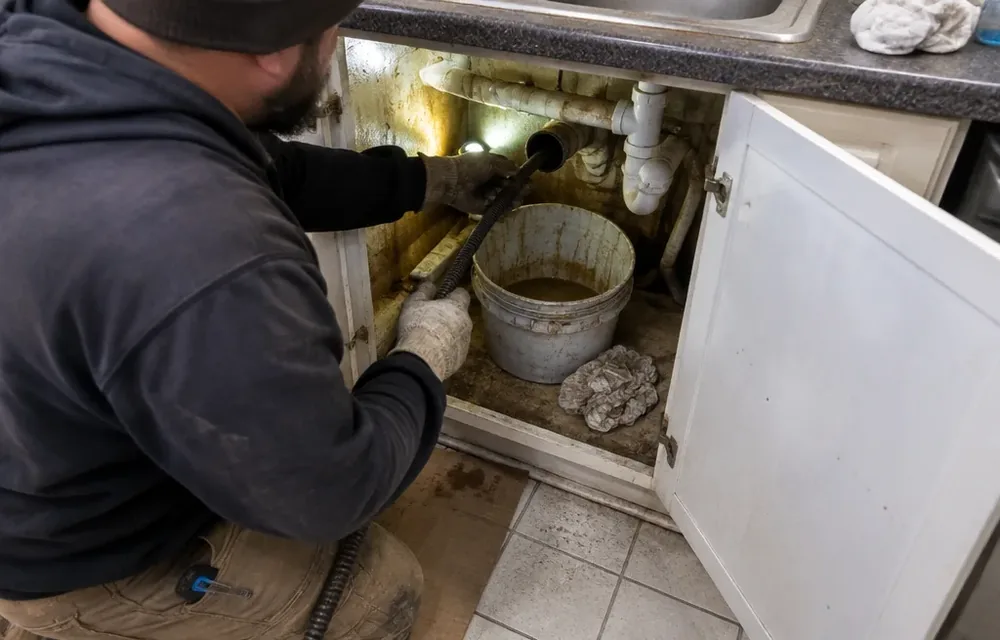
Drain Cleaning
A single slow sink is a nuisance.
Basement Floor Drain Cleaning
The basement floor drain is the lowest opening in your rowhouse — which makes it the relief valve for every downstream restriction.
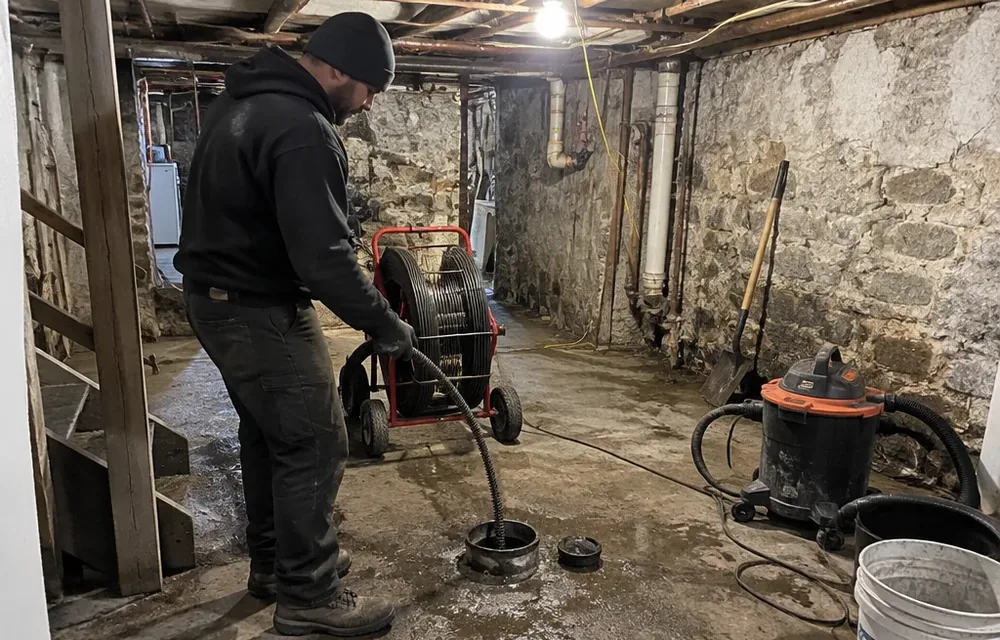
Main Sewer Line Cleaning
The lateral is the most expensive drain you own — a 60-to-100-foot clay run from your rowhouse to the street main, shared with stormwater, hunted by street-tree roots.
Rooter Service
Roots do not break your pipe to get in.
Emergency Drain Service across Philadelphia and its suburbs
We provide emergency drain service in 32 Philadelphia-area towns. Local pages cover the housing stock and pipe materials specific to each area.
Emergency Drain Service by town
- Emergency Drain Service in Philadelphia
- Emergency Drain Service in Upper Darby
- Emergency Drain Service in Norristown
- Emergency Drain Service in Abington
- Emergency Drain Service in Media
- Emergency Drain Service in King of Prussia
Philadelphia
Delaware County
- Upper Darby
- Media
- Yeadon
- Lansdowne
- Havertown
- Springfield (Delco)
- Chester
- Drexel Hill
- Ridley Park
- Swarthmore
- Darby
Montgomery County
- Norristown
- Abington
- King of Prussia
- Ardmore
- Bala Cynwyd
- Conshohocken
- Plymouth Meeting
- Jenkintown
- Cheltenham
- Willow Grove
- Lansdale
- Pottstown
- Ambler
- Horsham
- Hatboro