Drain cleaning and sewer service in Plymouth Meeting, Pennsylvania
Plymouth Meeting — Plymouth and Whitemarsh Townships around the Turnpike interchange, Germantown Pike, and the Plymouth Creek valley — is 1950s–1970s suburbia over limestone and shale ground, and that geology defines its drains as much as its age. Early tracts run clay tile and cast iron with Orangeburg in the 1955–1965 window, while 1970s colonials and splits transition to ABS and PVC. Limestone-derived soils settle differentially and in places develop voids that shift laterals out of grade, producing the bellies and offsets that camera work finds from Hickory Road to the Andorra line. Commercial corridors along Germantown Pike add grease and high-volume restroom loading the residential tracts never see.
- Montgomery County
- Montgomery County
- Same-day and 24/7
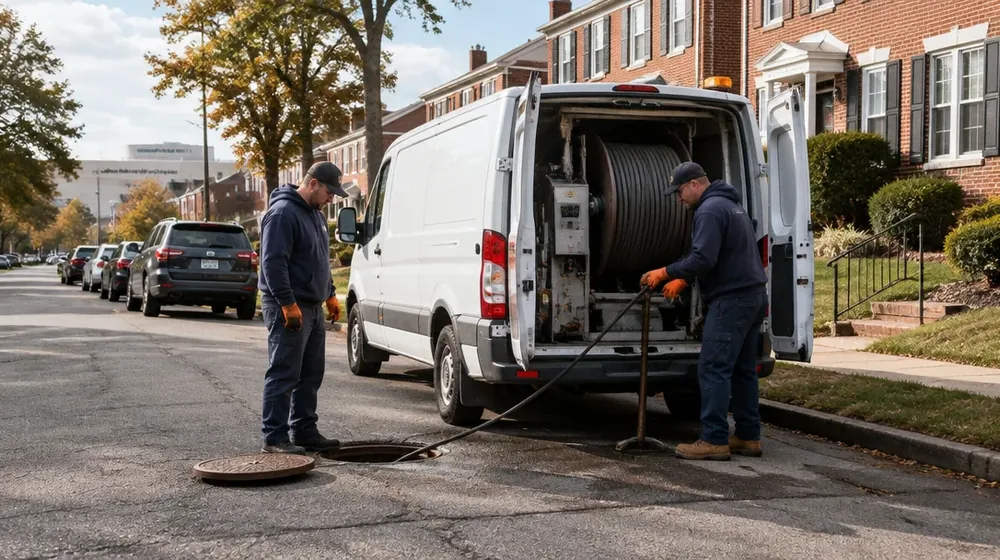
Plymouth Meeting at a glance
County: Montgomery County · Area: Montgomery County · Neighborhoods covered: 8 · Response: scheduled visits; 24/7 for active backups
Pipes you will find here: Clay tile and cast iron on 1950s stock, Orangeburg in 1955–1965 pockets, cast iron plus early ABS on 1970s homes, PVC on later construction and replacements.
What goes wrong with Plymouth Meeting plumbing
Limestone settlement, bellies, and offsets
Plymouth Meeting’s limestone-influenced soils shift laterals out of grade more often than the county average. The camera signature is standing water in a sag or a lip at an offset hub that snags paper. Because lining follows existing grade, bellies need excavation and re-grading while rough-but-graded lines suit jetting or lining — the grade reading is the decision.
Orangeburg in the mid-50s to mid-60s tracts
Plymouth Township tracts built in the Orangeburg window carry fiber pipe now 60-plus years old in wet ground that deforms it oval. It generally cannot accept a liner, so identification on camera changes the scope from repair to replacement and changes purchase negotiations by five figures on affected streets.
Germantown Pike commercial loading
Shopping and restaurant blocks along Germantown Pike and the interchange put grease and paper surges into small-diameter lines. The failure is constriction and soft blockage rather than pipe collapse, and the answer is scouring jetting plus a maintenance interval rather than construction.
Housing stock and pipe materials
Housing: Mostly 1950s–1970s ranches, splits, and colonials in the Plymouth Township tracts and Whitemarsh subdivisions, with townhouse communities and apartments near the interchange and older farmhouses surviving along Butler Pike.
Likely pipe materials: Clay tile and cast iron on 1950s stock, Orangeburg in 1955–1965 pockets, cast iron plus early ABS on 1970s homes, PVC on later construction and replacements.
Who is responsible for the pipe in Plymouth Meeting
In most Philadelphia-area jurisdictions the property owner is responsible for the sewer lateral from the building to the connection at the public main — including the portion running under the street. The exact split differs by city, so confirm yours with Plymouth Meeting's public works or wastewater department before assuming any of it is theirs.
Two things worth checking before you pay for anything: whether the city runs a lateral repair assistance or low-interest loan program, and whether your homeowner's policy carries a service line endorsement.
Where we work in and around Plymouth Meeting
Within Plymouth Meeting we cover Turnpike interchange district, Germantown Pike corridor, Hickory Road tracts, Butler Pike area, Plymouth Creek valley, Andorra line, Whitemarsh subdivisions, Chemical Road corridor and the surrounding area. Same-day drain cleaning and rooter service is usually available across Plymouth Meeting, and dispatch runs around the clock for an active backup.
Nearby cities we also serve
What we do in Plymouth Meeting
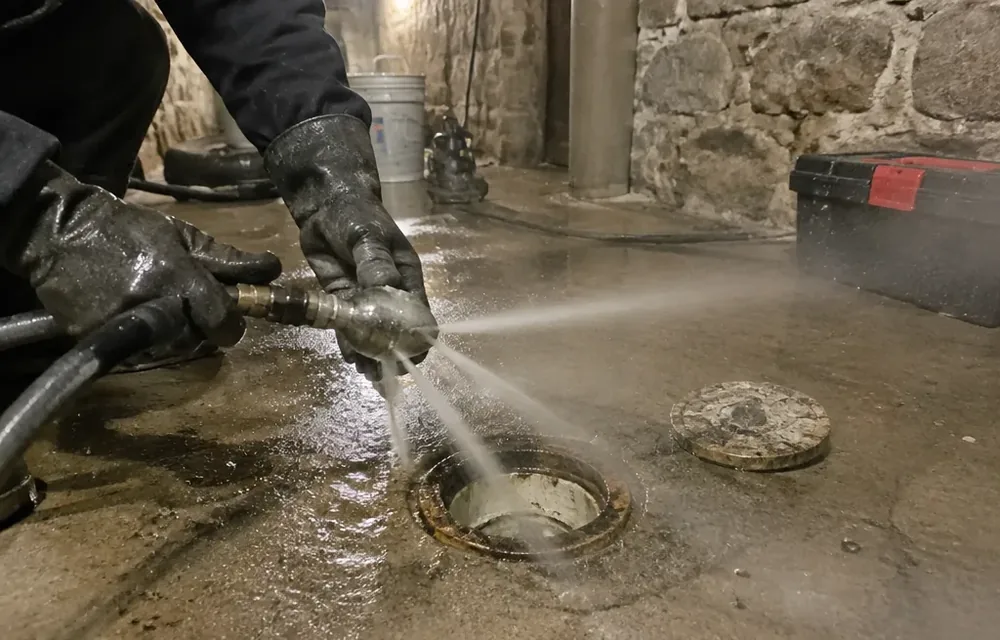
Hydro Jetting
A cable bores a hole through the clog.
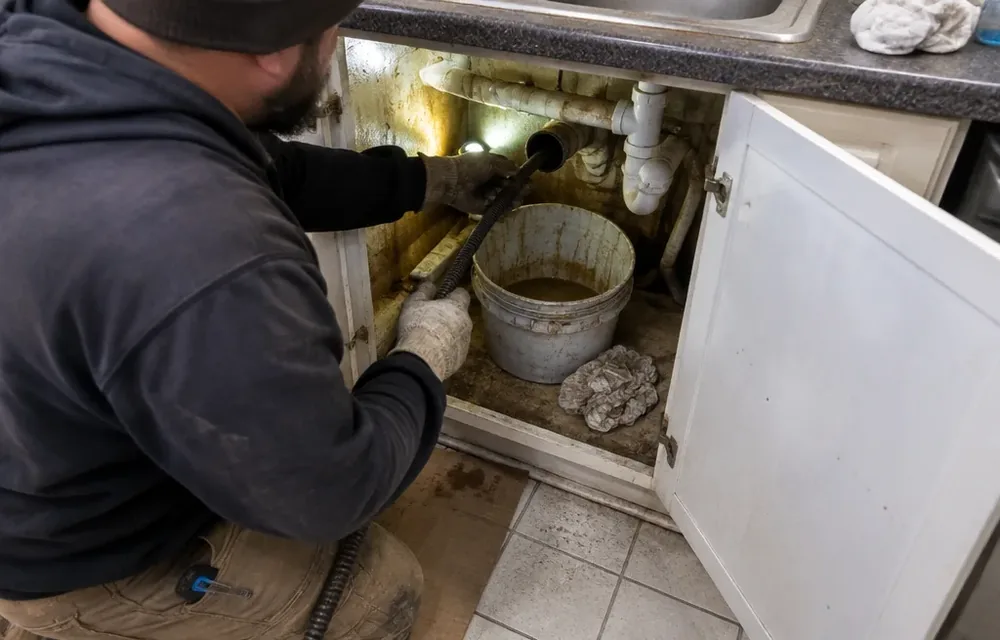
Drain Cleaning
A single slow sink is a nuisance.
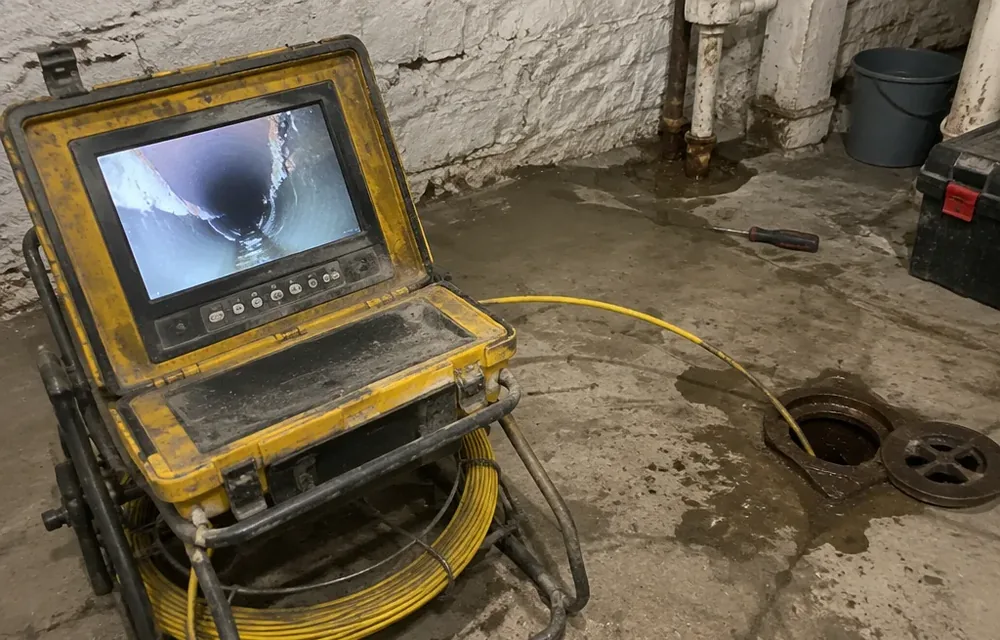
Sewer Camera Inspection
Every expensive sewer decision in Philadelphia — jet, repair, line, replace — depends on one thing: what the pipe actually looks like inside.
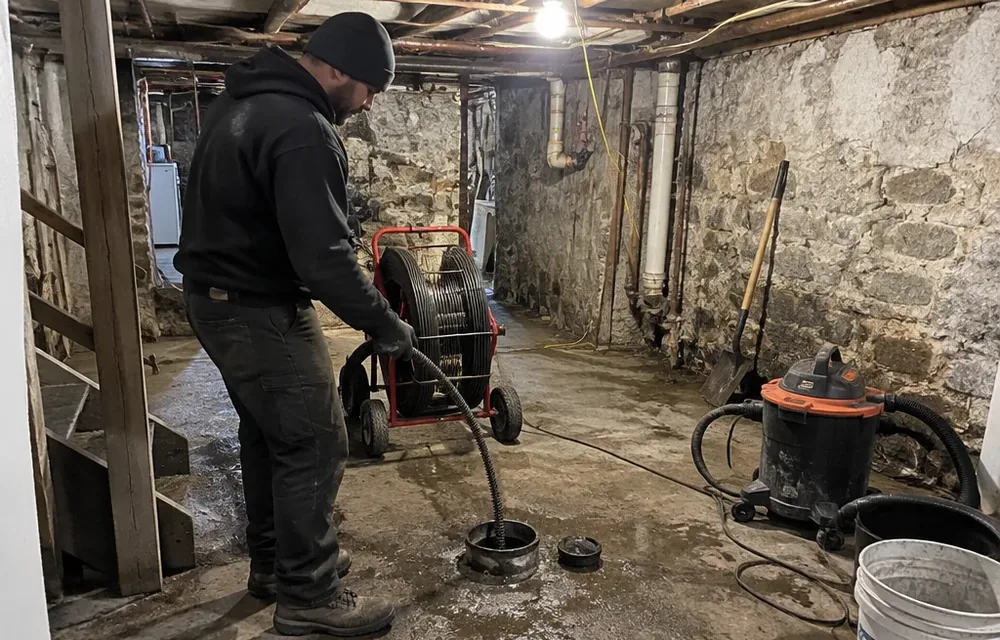
Main Sewer Line Cleaning
The lateral is the most expensive drain you own — a 60-to-100-foot clay run from your rowhouse to the street main, shared with stormwater, hunted by street-tree roots.
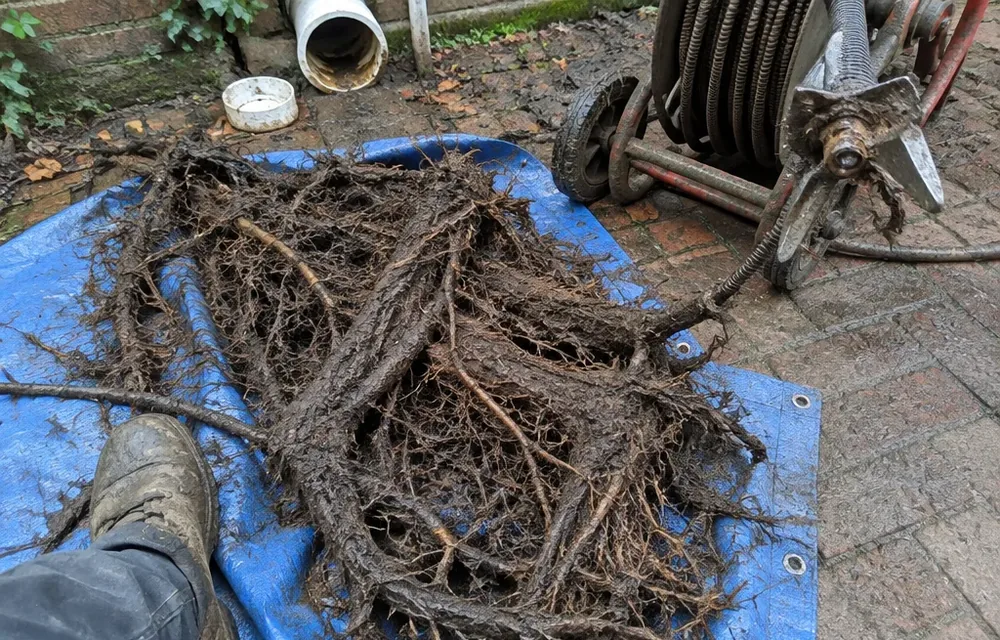
Rooter Service
Roots do not break your pipe to get in.
Kitchen Grease Line Jetting
Grease is the one clog material a cable cannot fix.
Bathroom Drain Cleaning
Bathroom clogs are almost never mysterious: hair, soap scum and toothpaste solids, wrapping around cast iron scale in a century-old branch arm.
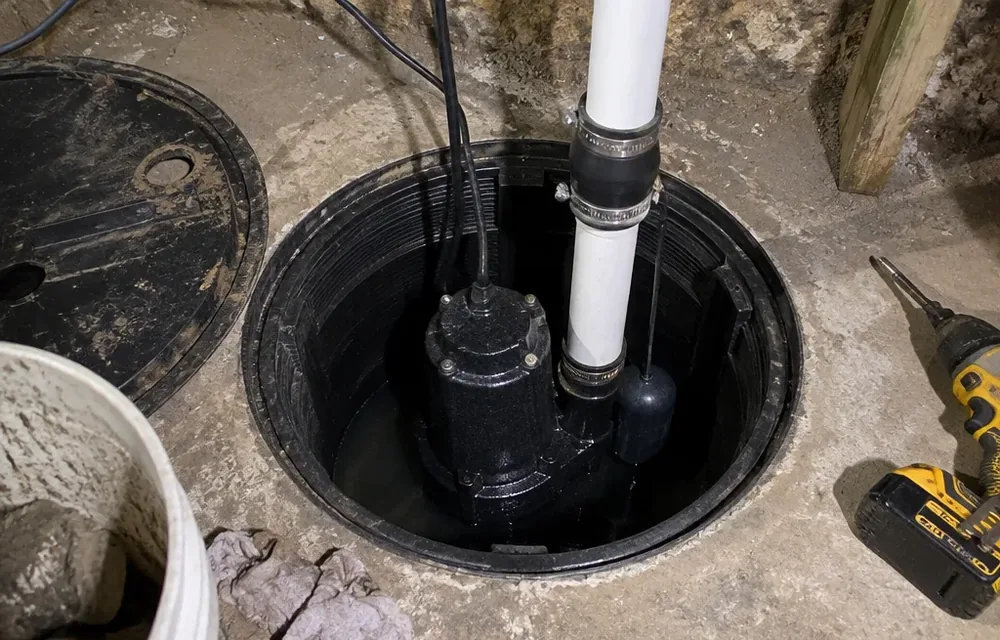
Basement Floor Drain Cleaning
The basement floor drain is the lowest opening in your rowhouse — which makes it the relief valve for every downstream restriction.
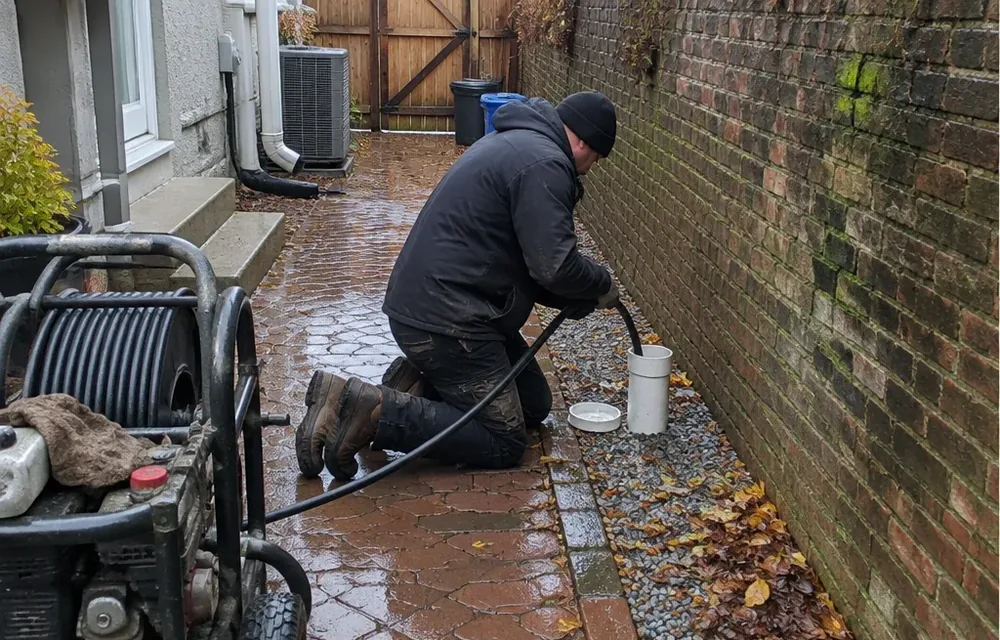
Storm Drain & Catch Basin Cleaning
A flooded loading dock or parking lot is rarely a rain problem.
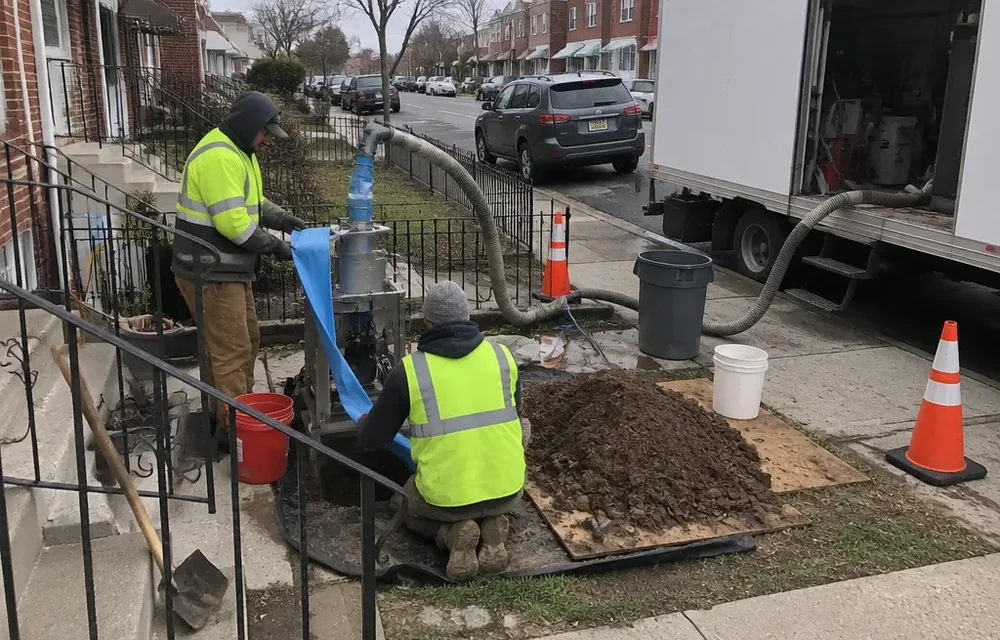
Commercial Hydro Jetting
Commercial drains fail on schedule — fryer volume, tenant count, storm season — so they should be serviced on schedule.
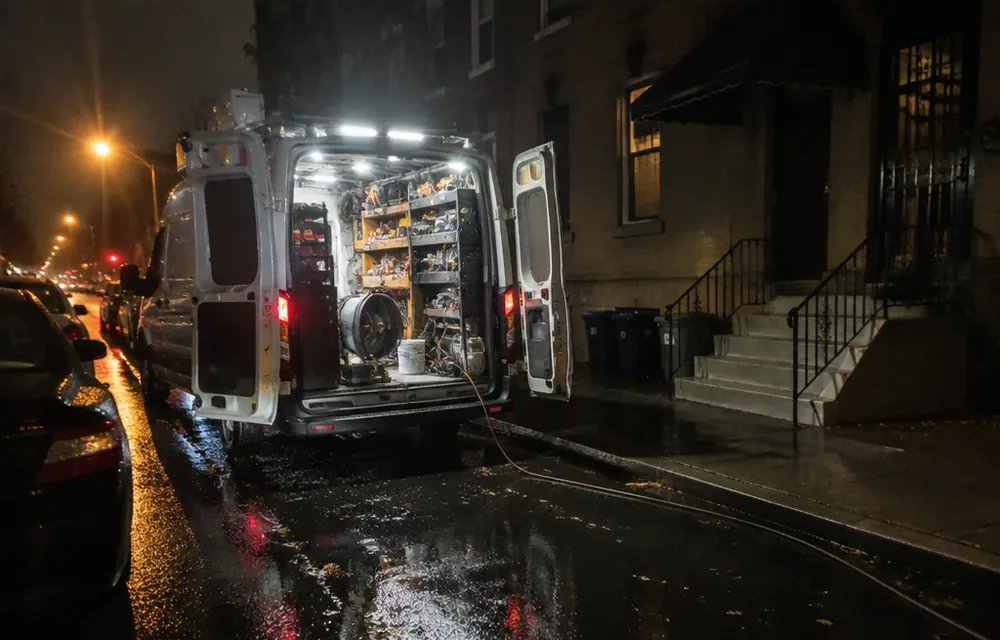
Emergency Drain Service
Sewage on the basement floor does not wait for business hours, and neither do we.

Restaurant Food-Service Jetting
A restaurant drain never fails at 2 p.
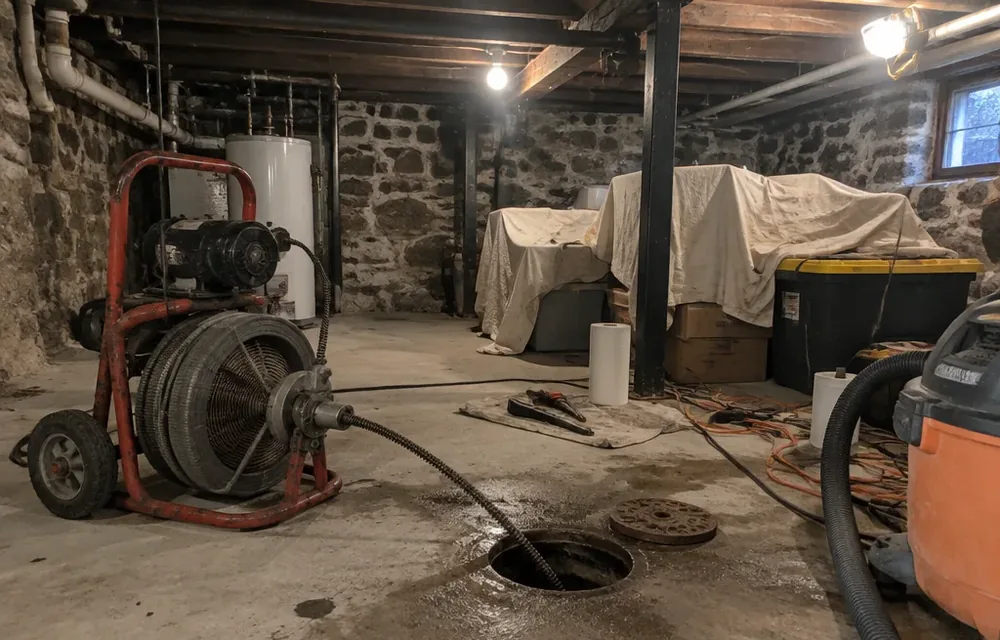
Property Manager Multifamily Drains
Nobody treats a rental drain like an owner does.
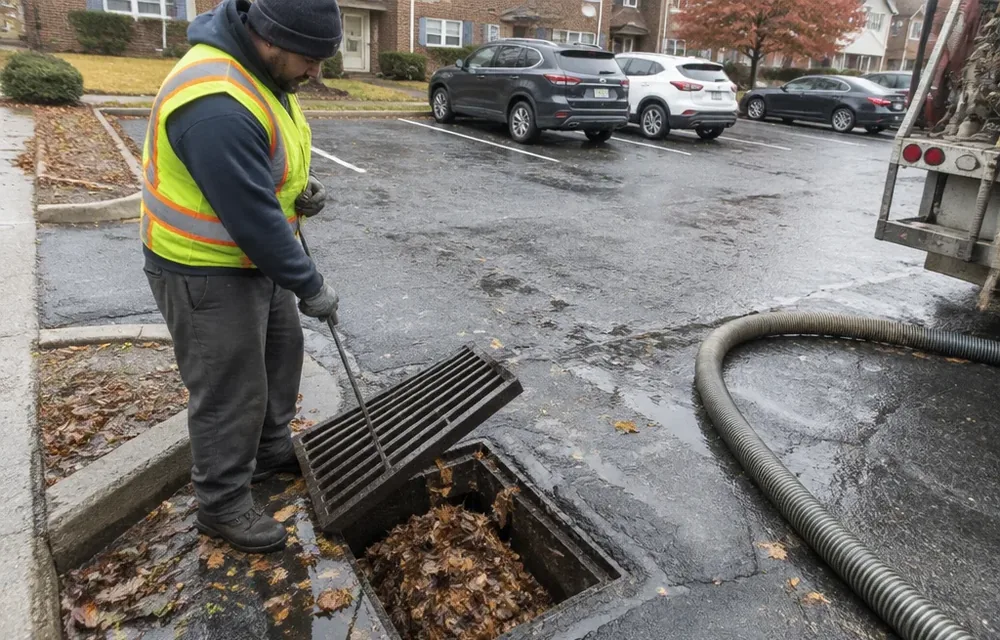
HOA Community Drains
HOA drain problems are never one owner's problem.
Guides and symptom checks matched to Plymouth Meeting's housing
Guides for this housing stock
- Grease Lines: Philly Rowhouses & Restaurants — why grease constrictions need scouring, not cabling
- Restaurant Grease Trap Maintenance in Philadelphia — trap logs and jetting intervals that keep kitchens open
- Philly Rowhouse Laterals: Clay, Iron & More — which pipe your build era used and what each needs
Symptoms we trace in Plymouth Meeting
- Same Clog Keeps Returning — repeat clogs mean coating or defect, not bad luck
- All Drains Slow — whole-house slowness means main line, not fixture
- Drain Gurgling — what gurgling says about vents and mains
Plymouth Meeting plumbing questions
What is wrong with my Plymouth Meeting line if clearing never holds?
Probably grade, not debris. Limestone-influenced soils around Hickory Road and the Plymouth Creek valley shift laterals into bellies and offsets that snag solids continuously. Clearing opens a path and the sag refills; camera with grade readings shows whether the segment needs re-grading excavation or whether a rough-but-graded run suits jetting or lining.
Does Plymouth Meeting have Orangeburg?
In the 1955–1965 tract pockets, yes. Fiber pipe of that window is now 60-plus years old in wet ground, goes oval, and generally cannot accept a liner. Camera identification changes the scope from repair to replacement and changes purchase negotiations by five figures on affected streets.
Why do Germantown Pike blocks clog differently?
Volume and grease. Shopping and restaurant blocks put paper surges and fats into small-diameter lines, producing constriction and soft blockage rather than pipe collapse. The answer is scouring jetting plus a maintenance interval, not construction — opposite scope from the residential tract bellies a mile away.
Can limestone voids affect my lateral?
Differential settlement in limestone-derived ground shifts hubs and grade, and in places voids accelerate the movement. The mechanism is slow and invisible until drainage steadily worsens. Periodic camera checks with grade readings on streets known for movement catch it while lining is still an option.