Multifamily Drain Jetting in Philadelphia — Rentals, Stacks & Reports
Nobody treats a rental drain like an owner does. Multifamily lines absorb wipes, grease, hair and tenant-count volume through aging cast iron stacks that were sized for smaller households — and the failure always floods downward, into the unit whose tenant calls you first. Scheduled stack and lateral jetting converts those weekend emergencies into planned visits with paperwork you can file.
- Half day, staged by unit
- Philadelphia Area
- 7 days a week
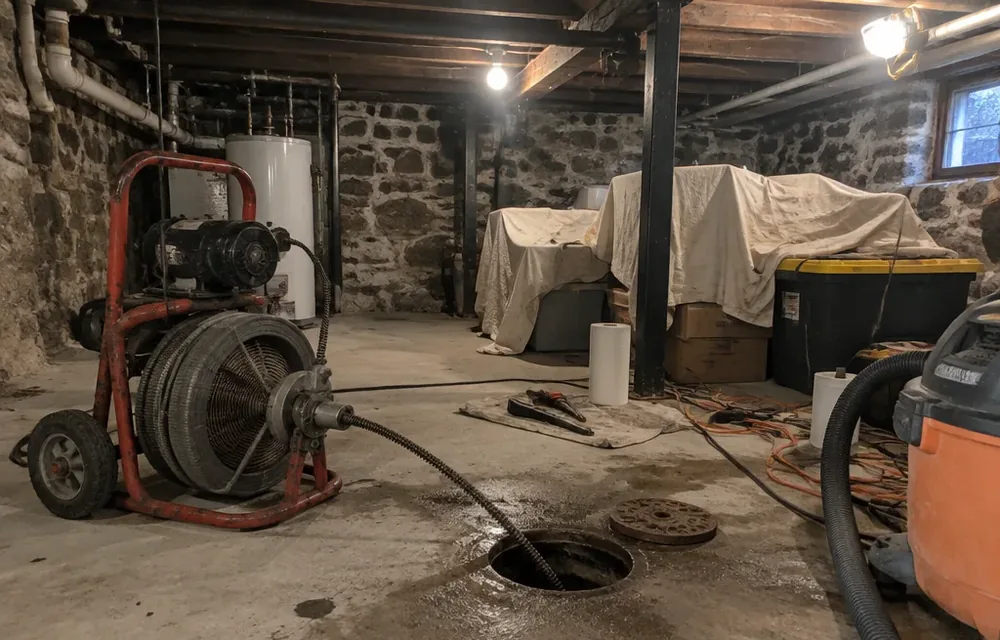
Signs you may need property manager multifamily drains
Most people arrive here describing a symptom rather than naming a service. These are the three that point this way.
Ground-floor unit flooding while upstairs drains run fine
Downward flooding from an overloaded stack means scale and tenant-load deposits are choking the shared vertical or lateral. Stack and lateral jetting with camera records converts the weekend emergency into a planned, documented visit.
Same building backing up after every tenant turnover
Turnover-linked failure tracks each new occupant resetting drain habits — wipes, grease, hair — through one aging stack. Scheduled service plus a camera file that survives turnovers breaks the move-in backup pattern.
Blame debates consuming hours after each backup
Every backup without footage becomes an argument about whose wipes or grease caused it. Dated camera evidence by footage settles cause as a visible fact and returns those management hours to actual work.
Why rentals clog more than owner-occupied homes
Tenant turnover resets every good habit. Each new occupant arrives with their own understanding of what goes down a drain — wipes labelled flushable that are not, fryer grease poured warm into the sink, hair and soap loads from fully occupied bathrooms. A single turnover can undo two years of careful use in one weekend.
Volume multiplies the load. A converted twin or rowhouse that once held one family now holds three or four tenants across split units, all sharing one stack and one lateral to the combined main. The pipe did not get bigger when the occupancy did. Scale-narrowed cast iron plus tripled flow is the arithmetic behind the Saturday-night stack backup.
Nobody reports early in a rental. Owners notice a slow drain and act; tenants adapt around it until it becomes a backup — then it becomes your emergency. By the time the ground-floor tenant calls, the restriction has been building for months upstream. Scheduled service intercepts that curve instead of waiting for the call.
Eviction of blame wastes more management hours than the clog itself. Without footage, every backup becomes a debate about whose wipes, whose grease, whose hair. Camera evidence by footage ends that debate with a picture both tenants and owners can see.
Twins, rowhouses and dense conversions
Philadelphia's rental stock is dominated by twins and rowhouses converted to multi-unit use: vertical cast iron stacks running two or three floors into a clay lateral that crosses a small yard to the combined main. The stacks scale internally with age — tuberculation narrowing the bore year by year — while tenant counts push more volume through less pipe.
Converted layouts hide access problems. A stack cleanout buried behind a tenant's finished closet, a lateral cleanout under a rear-deck addition, a basement partitioned into storage cages with no clear path to the building drain — conversions optimise for rentable space, not for service access. A pre-visit access survey maps every entry point before the truck arrives.
Triple-decker-like density appears in subdivided blocks across North, West and South Philadelphia, where three-unit conversions stack full bathrooms above a single ground-floor lateral. Morning shower peaks plus evening kitchen peaks load the same pipe twice daily. Those buildings fail on schedule — and should be serviced on schedule.
Combined-sewer exposure adds the weather variable. During heavy rain the shared main surcharges, and a scale-narrowed lateral that passes dry-weather flow cannot pass it against a surcharged main. Rain-linked backups that strike multiple units at once describe this compound failure; the fix is a clean, full-bore lateral before storm season, plus backwater protection where the basement layout warrants it.
Cleanout access across occupied units
Multifamily work lives or dies on access planning. Every unit on the affected stack needs a notice window, a clear path to fixtures and cleanouts, and a plan for pets, parking and locked doors. We scope access with you before booking — which units, which hours, which entry points — so the visit does not dissolve into rescheduling.
Staging respects occupied space. Drop cloths and containment at every entry, wastewater control planned for finished units rather than improvised, and odour management treated as part of the job. Tenants remember how a service visit felt; a clean, quiet, contained visit protects your relationship with them as much as the pipe.
Where access is permanently poor — buried cleanouts, boxed-in stacks, no exterior lateral access — the visit report says so plainly, with a recommended access improvement and its cost. One installed exterior cleanout can halve the price of every future visit to that building. That recommendation belongs in your capital plan, not buried in a technician's notebook.
Coordination with sewer camera inspection keeps access visits productive: one scheduled entry that both diagnoses and documents, with footage travelling into the building file for the next turnover, the next dispute and the next budget cycle.
How a multifamily visit works
Survey access and history first
Unit count, stack layout, cleanout locations, backup history by unit and date. You provide the pattern; we map it against the pipe before quoting.
Camera the stack and lateral
Footage-marked survey of verticals and the building drain to the combined main. Scale zones, grease zones, root intrusion and structural defects each get distances and grades.
Jet stacks top-down, laterals outward
Stack passes that scour scale and biofilm from the verticals, then lateral passes flushing toward the city main — never packed into the shared connection. Matched pressure for aging cast iron, verified by after-footage.
Verify every pass on camera
Before-and-after footage per line, per visit. The file proves the work independent of any future tenant dispute or owner question.
File the manager report
Dated findings, footage marks, per-building condition grades and next due dates — written for a non-plumber to forward to an owner, an insurer or a lease file.
Documentation managers can actually file
Every visit closes with a written service record: lines serviced, footage findings, before-and-after camera evidence and the recommended interval with its reasoning. The record is addressed to the file, not to the technician — an owner opening it in two years understands what was done and why without calling anyone.
Condition grades travel across visits. Each stack and lateral carries a grade that moves as footage comparisons accumulate: improving grades justify stretching the interval, declining grades justify tightening it or budgeting a repair. That trend line is your capital-planning evidence when an owner asks why jetting recurs or why a stack replacement belongs in next year's budget.
Turnover packets get simpler. A building with a current camera file and a next-due date answers the two questions every new owner and every insurer asks — what is the condition, and what is the plan — without a new diagnostic visit. The file follows the building, not the tenant.
For portfolios, scheduling consolidates. Multiple buildings on one program share mobilisation, share reporting format and share interval logic, so per-building cost falls while documentation quality rises. See commercial hydro jetting for multi-site program structure.
Cost and scheduling, plainly
Multifamily jetting typically runs $350 to $1,500 per visit: single-stack twins and small conversions at the low end, multi-stack buildings with long laterals and complex unit access at the high end. Camera verification and the manager report are part of the job, quoted per building after walkthrough.
Set the interval from footage, then hold it. Proactively jet main sewer lines every 12 to 24 months; buildings with high-density turnover or shared kitchen stacks need targeted jetting every 6 to 12 months. Scale-narrowed stacks typically land semi-annual to annual depending on unit count and water hardness load; laterals with root exposure join the rooter service cutting cycle on their own one-to-two-year rhythm. Footage comparisons across visits tune both numbers to the building instead of the calendar.
The interval math is unforgiving in the other direction. One weekend stack backup floods the two lowest units, generates two insurance conversations, one remediation bill and turnover risk from tenants who watched wastewater cross their floor. A year of scheduled service costs a fraction of one such event — and the documentation proves diligence if liability questions follow.
Frequently asked questions
How much does multifamily drain jetting cost in Philadelphia?
Typically $350 to $1,500 per visit depending on stack count, lateral footage, unit-access complexity and condition. A single-stack twin sits low; a multi-stack conversion with complex access sits high. Quoted per building after walkthrough and baseline camera survey.
How often should a rental building jet its drains?
Proactively every 12 to 24 months for main lines; every 6 to 12 months for high-density buildings with turnover or shared kitchen stacks. Scale-narrowed stacks typically land semi-annual to annual. Footage across visits tunes the interval.
How do you handle access to occupied units?
We survey access with you before booking — which units, which hours, which entry points — and stage with containment and odour control suited to finished, occupied space. Permanently poor access gets a written improvement recommendation with its cost for your capital plan.
Can camera footage really settle tenant disputes?
It ends most of them. Footage by distance shows scale, grease or wipes as physical facts rather than accusations, and the dated record travels into the lease file. Blame debates that consumed management hours become a picture everyone can see.
What reports do we receive after a visit?
A dated manager report per building: lines serviced, footage findings, before-and-after evidence, condition grades and next due dates — written for forwarding to owners and insurers. The file follows the building across turnovers.
Do you service multi-building portfolios?
Yes. Portfolios consolidate scheduling, reporting format and mobilisation across buildings, which lowers per-building cost while keeping one documentation standard. Multi-site structure follows our commercial program model.
Related services
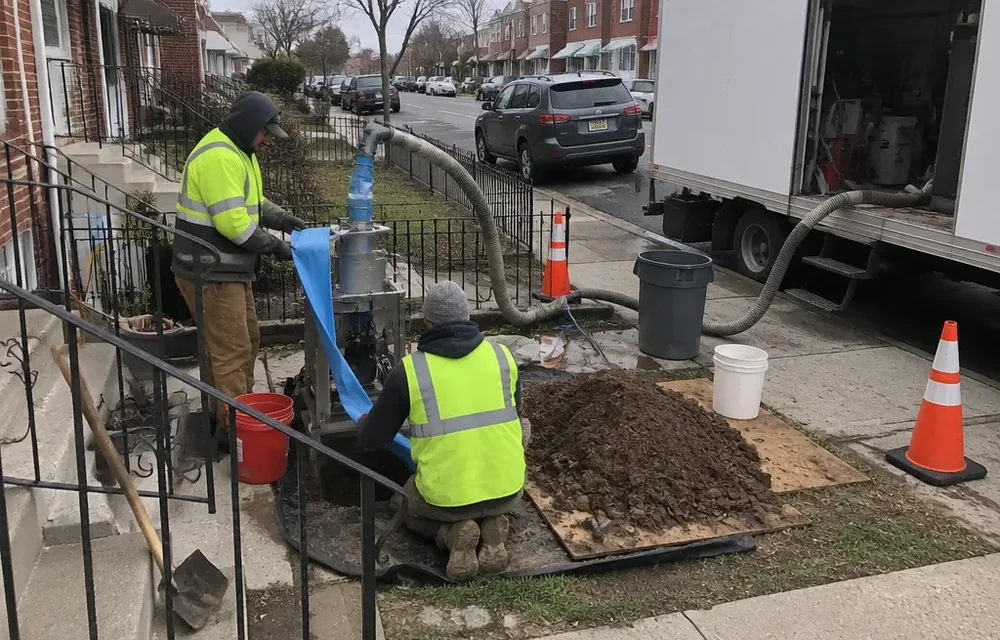
Commercial Hydro Jetting
Commercial drains fail on schedule — fryer volume, tenant count, storm season — so they should be serviced on schedule.
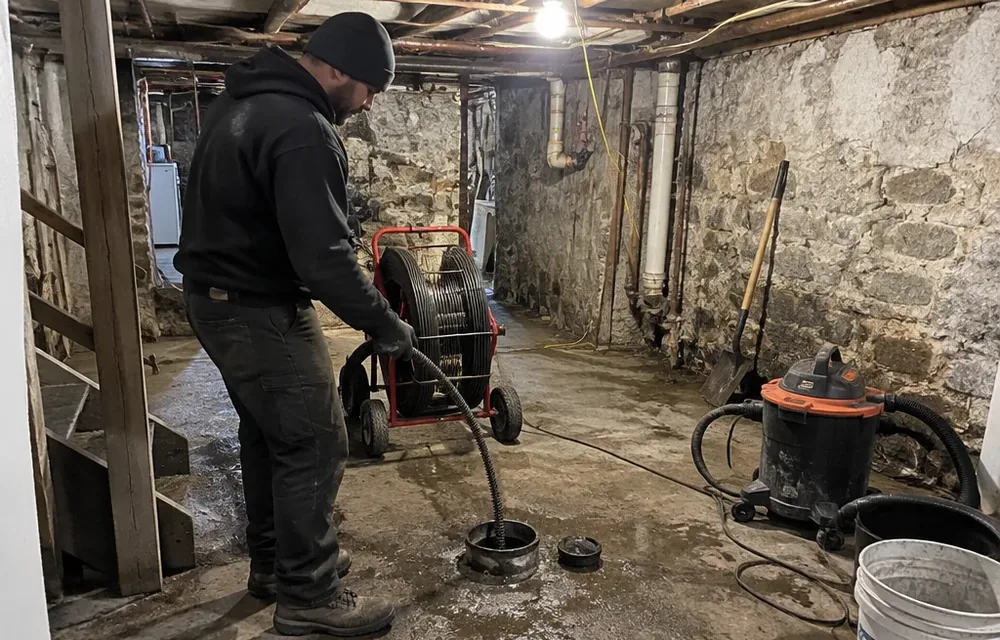
Main Sewer Line Cleaning
The lateral is the most expensive drain you own — a 60-to-100-foot clay run from your rowhouse to the street main, shared with stormwater, hunted by street-tree roots.
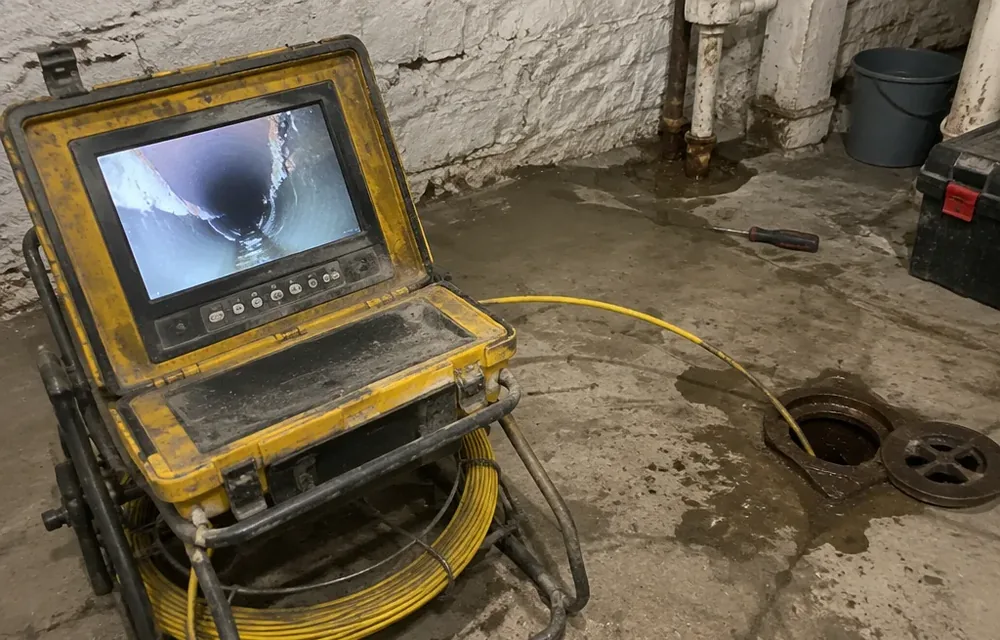
Sewer Camera Inspection
Every expensive sewer decision in Philadelphia — jet, repair, line, replace — depends on one thing: what the pipe actually looks like inside.
HOA Community Drains
HOA drain problems are never one owner's problem.
Property Manager Multifamily Drains across Philadelphia and its suburbs
We provide property manager multifamily drains in 32 Philadelphia-area towns. Local pages cover the housing stock and pipe materials specific to each area.
Philadelphia
Delaware County
- Upper Darby
- Media
- Yeadon
- Lansdowne
- Havertown
- Springfield (Delco)
- Chester
- Drexel Hill
- Ridley Park
- Swarthmore
- Darby
Montgomery County
- Norristown
- Abington
- King of Prussia
- Ardmore
- Bala Cynwyd
- Conshohocken
- Plymouth Meeting
- Jenkintown
- Cheltenham
- Willow Grove
- Lansdale
- Pottstown
- Ambler
- Horsham
- Hatboro