Commercial Hydro Jetting in Philadelphia — Kitchens, Lots & Buildings
Commercial drains fail on schedule — fryer volume, tenant count, storm season — so they should be serviced on schedule. Emergency commercial work costs triple: the clearing, the lost service, and the cleanup. Planned jetting removes all three.
- Half day to full day
- Philadelphia Area
- 7 days a week
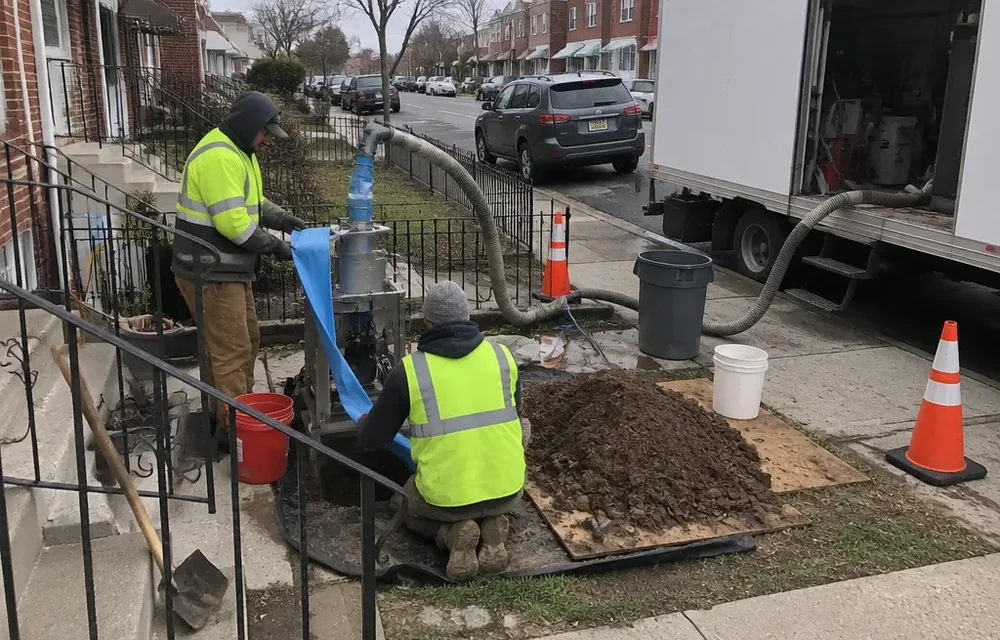
Signs you may need commercial hydro jetting
Most people arrive here describing a symptom rather than naming a service. These are the three that point this way.
Kitchen backups striking during peak service
Volume-linked failure at the busiest hour is a grease-narrowed line that cannot pass peak flow. After-hours scheduled jetting coordinated with interceptor pump-outs ends the Friday-night emergencies.
Multi-unit stack backups flooding lower floors
Aging cast iron stacks narrowed by scale fail under tenant-count load and flood downward. Programmed stack and lateral jetting with camera records prevents the weekend multi-unit event.
Loading dock flooding every cloudburst season
Seasonal dock ponding means packed catch basins and silted storm runs meeting combined-system peaks. Pre-winter and mid-year service keeps water off the dock and deliveries moving.
Which Philadelphia properties need scheduled jetting
Restaurants and food service along South Street, East Passyunk, Frankford Avenue, Baltimore Avenue and Center City: fryer grease plus long runs to combined mains. Quarterly to semi-annual jetting coordinated with interceptor pump-outs is the industry standard, not an upsell.
Apartment and condo buildings with aging cast iron stacks: scale-narrowed verticals plus tenant-count load. Scheduled stack and lateral jetting prevents the weekend backup that floods three units and generates three angry calls.
Parking structures, lots and loading docks: catch basins and storm runs packing with grit and plane-tree leaves. Pre-winter clearing plus mid-year service keeps cloudburst flooding off the property.
Healthcare, schools and institutions: high-occupancy restroom loads on old lines where a single backup closes facilities. Documented preventive maintenance supports compliance files as well as flow.
What a commercial program includes
Baseline camera survey of every maintained line — grease runs, stacks, storm connections — with footage-marked condition records. No program without a baseline; otherwise nobody can prove the interval is right.
Scheduled jetting passes at the interval the baseline supports: quarterly heavy grease, semi-annual moderate, annual light. After-hours and early-morning staging so service, tenants and operations continue uninterrupted.
Interceptor coordination for kitchens: jetting timed with pump-outs so freshly cleaned lines do not discharge into full traps, and documentation pairing jetting footage with interceptor receipts.
Storm-structure service for sites with lots and docks: basin vacuuming plus lateral jetting on the autumn and mid-year cycle. See storm drain & catch basin cleaning.
Written service records after every visit — footage, findings, next due date. Those records are your PWD, insurer and lease-compliance evidence.
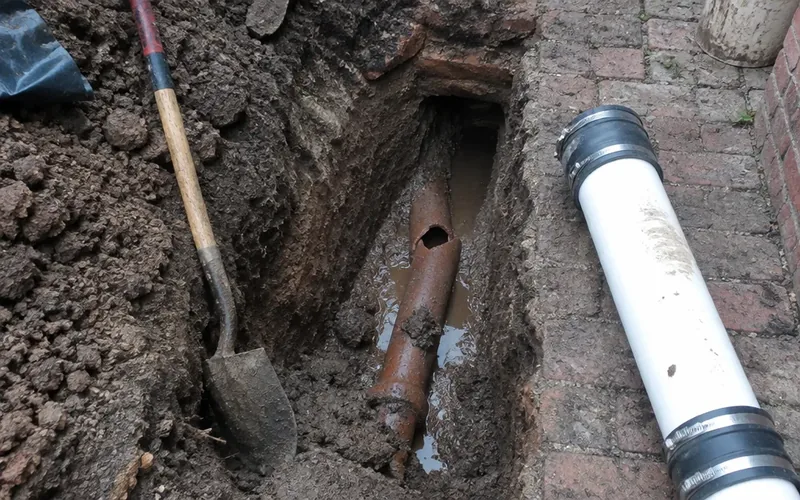
How commercial quoting works
Per-site assessment, not per-foot guessing. Line count, diameters — typically 4- to 8-inch-plus commercial pipe versus 4-inch residential — footage to the combined main, access staging, grease load and operating hours all move the figure, plus the need for heavy truck-mounted jetting rigs on extended mains — which is why phone-flat-rate commercial quotes deserve skepticism.
Expect small targeted grease lines at $500 to $900, large multi-line systems with heavy grease at $800 to $1,500, and extensive multi-structure or after-hours programs at $1,500 to $2,500+ per visit. Our commercial range starts at $450 per visit for small single-line sites and scales with scope; large or multi-structure programs are scoped on walkthrough.
Multi-year clients earn interval tuning: footage comparisons across visits show whether the schedule can stretch or must tighten. Paying for jetting you no longer need is as wasteful as skipping jetting you do.
After-hours staging and documentation
Walkthrough and baseline scope
Every maintained line camera-surveyed, footage-marked, and graded for interval. You approve a program built on evidence.
Schedule around operations
Nights, early mornings, closed days — staged so kitchens cook, tenants sleep, and docks load without interruption.
Jet with containment
Hose routing, wastewater containment and odour control planned for occupied buildings, not improvised on arrival.
Camera-verify every pass
After-footage per line, per visit. Your file proves the work independent of any future dispute.
File the service record
Dated findings, footage marks and next due dates delivered for compliance files, insurers and property managers.
The cost of skipping it, in Philadelphia terms
One Friday-night kitchen backup on a food corridor: lost covers, wasted prep, emergency dispatch premium, wastewater cleanup, and regulars who watched it happen. One apartment-stack backup: three flooded units, three insurance conversations, one management headache.
One cloudburst with packed basins: a flooded dock, stranded deliveries, tenant slip exposure. Each of these exceeds a year of scheduled service — usually several times over.
Programs also protect the shared system. Kitchens discharging to combined sewers that hold their grease interval and pump-out schedule stop contributing to the main-clogging slugs that flood whole blocks. PWD notices the difference at the inlet; so do your neighbours.
Frequently asked questions
How much does commercial hydro jetting cost in Philadelphia?
Small single-line sites start around $450-$500 per visit; large multi-line systems run $800 to $1,500, and extensive multi-structure programs $1,500 to $2,500+ per visit. Programs are quoted per site after walkthrough and baseline camera survey — phone flat rates for commercial work deserve skepticism.
How often should our restaurant jet its lines?
Quarterly to semi-annual for most working kitchens, set by fryer volume and run length. Heavy fried service with long runs to the combined main needs quarterly. We set the interval from baseline footage and tune it across visits.
Can you work without interrupting service or tenants?
Yes — after-hours, early-morning and closed-day staging is standard for commercial work. Hose routing, containment and odour control are planned for occupied buildings before arrival.
Do you coordinate with grease interceptor pump-outs?
Yes. Jetting is timed with pump-out schedules so cleaned lines do not discharge into full traps, and jetting footage pairs with interceptor receipts for a complete compliance record.
What documentation do we receive?
Dated service records per visit: lines serviced, footage findings, before-and-after camera evidence and next due dates. Suitable for insurers, lease compliance and management files.
Do apartment buildings need scheduled drain service?
Buildings with aging cast iron stacks and high tenant counts benefit most — scale-narrowed verticals fail on weekends and flood multiple units. A scheduled stack and lateral program converts those emergencies into planned visits.
Do you offer commercial jetting for non-restaurant properties?
Yes — commercial jetting covers apartment stacks, HOA shared laterals, parking-lot storm runs, and institutional restroom loads, not just kitchens. Programs run $450 to $2,500+ per visit by scope, staged after-hours where operations require it, and every pass is filed with footage.
Guides that cover this in more depth

Hydro Jetting Cost in Philadelphia: 2026 Guide
Most Philadelphia homeowners budget around national jetting ranges, then discover access, lateral length, and root cut…
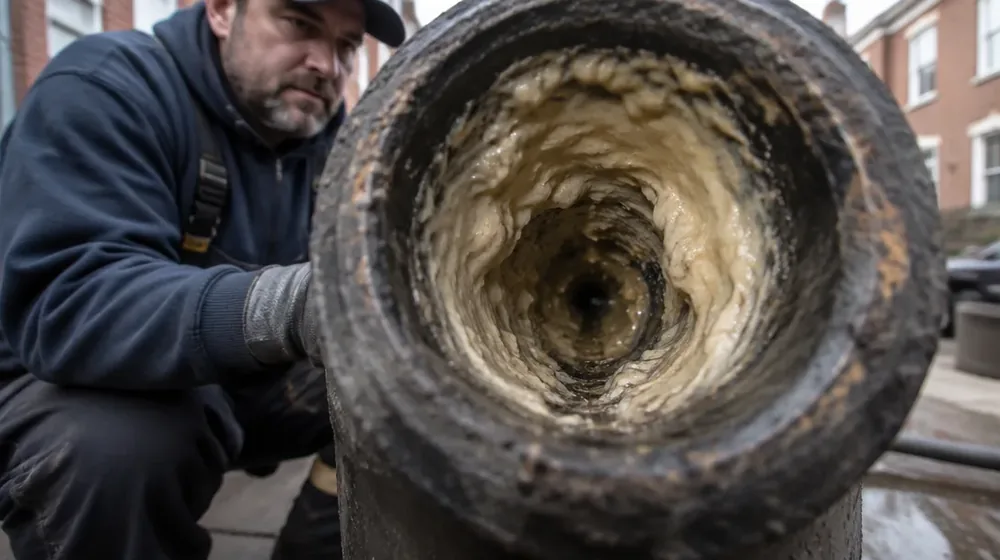
Grease Lines: Philly Rowhouses & Restaurants
Grease goes down warm and liquid, meets cold iron, and becomes a wall coating rather than a plug. That is why the same…
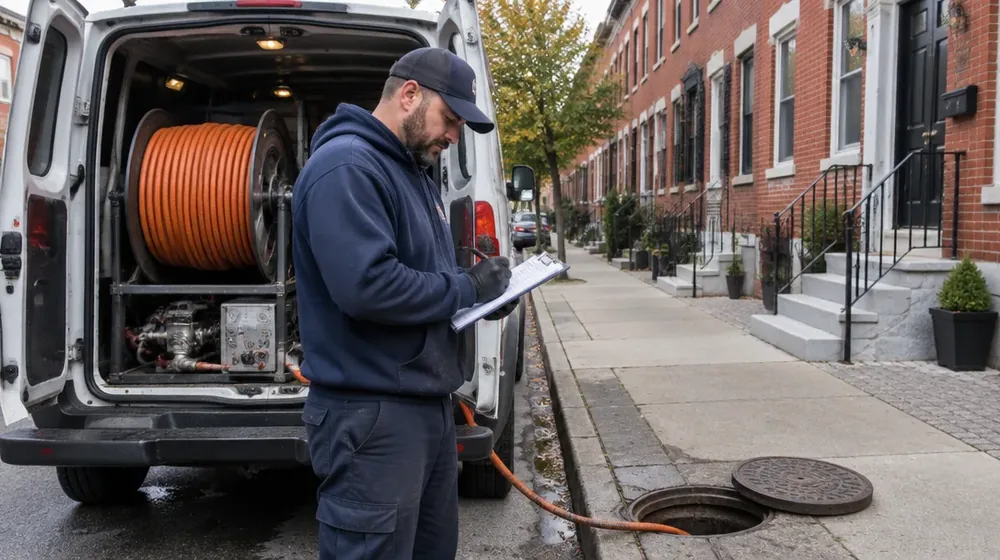
How Often Should You Hydro Jet? Philly Schedule
Most Philadelphia homes never need scheduled jetting, while grease-heavy kitchens, root-active clay laterals, and comm…
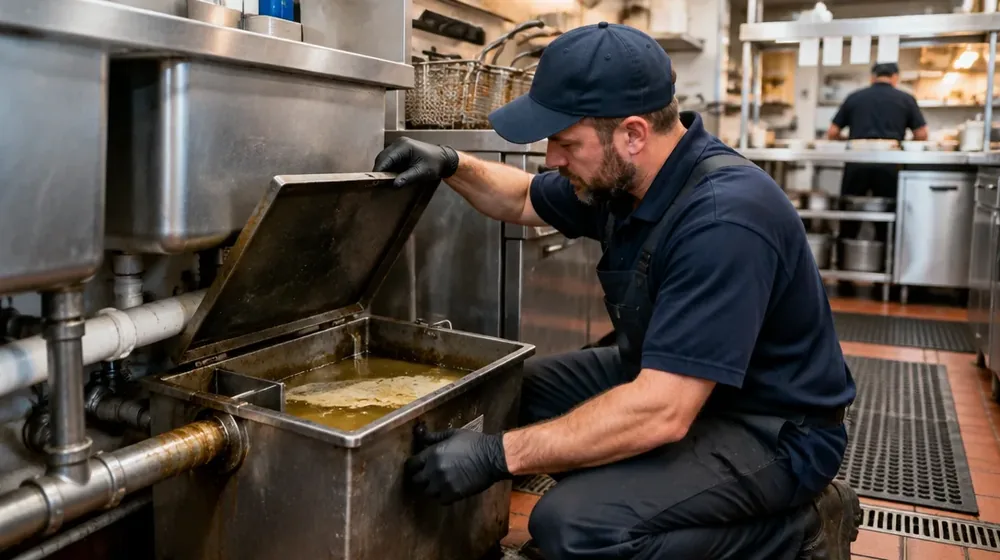
Restaurant Grease Trap Maintenance in Philadelphia
A Philadelphia kitchen flood rarely starts at the fryer; it starts weeks earlier as grease cools on iron, traps go too…
Related services
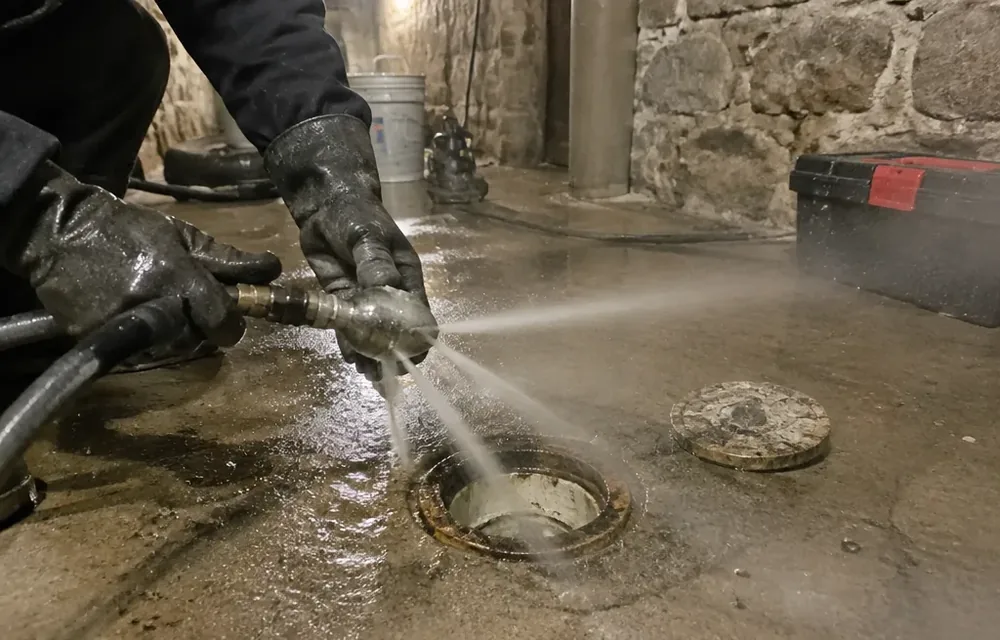
Kitchen Grease Line Jetting
Grease is the one clog material a cable cannot fix.
Hydro Jetting
A cable bores a hole through the clog.
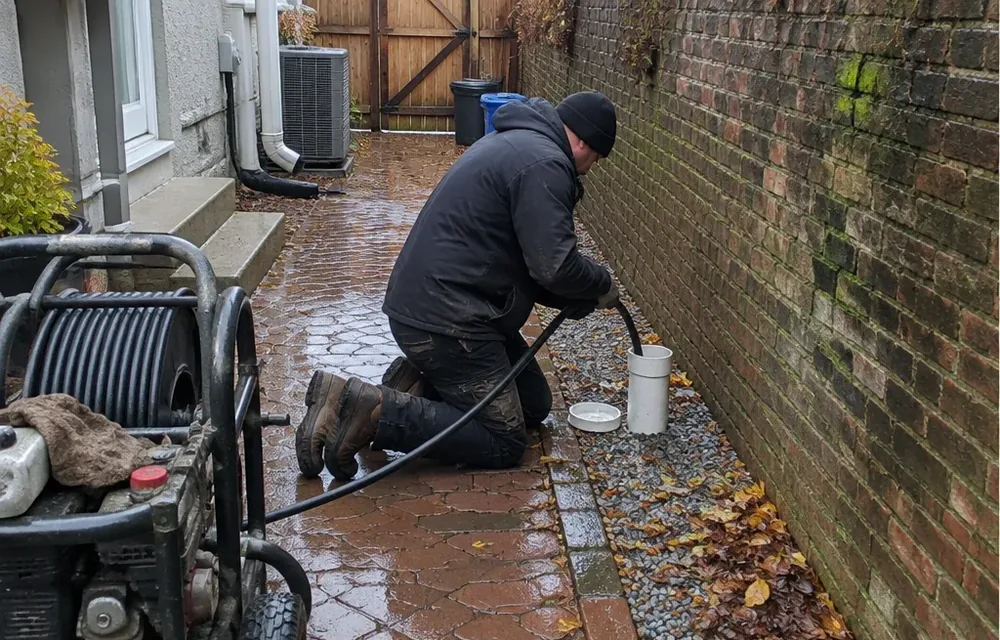
Storm Drain & Catch Basin Cleaning
A flooded loading dock or parking lot is rarely a rain problem.
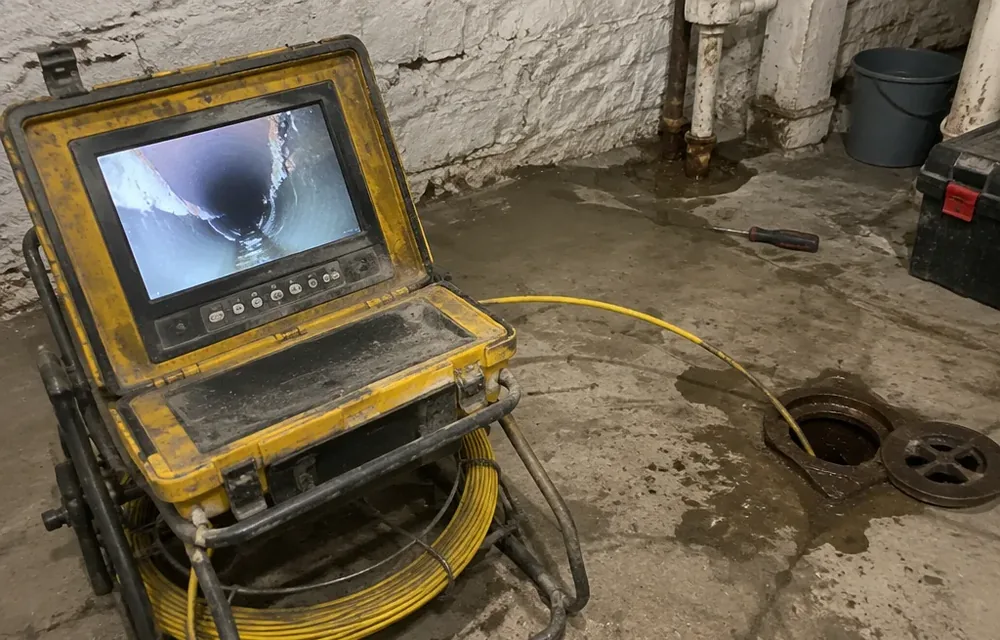
Sewer Camera Inspection
Every expensive sewer decision in Philadelphia — jet, repair, line, replace — depends on one thing: what the pipe actually looks like inside.
Commercial Hydro Jetting across Philadelphia and its suburbs
We provide commercial hydro jetting in 32 Philadelphia-area towns. Local pages cover the housing stock and pipe materials specific to each area.
Philadelphia
Delaware County
- Upper Darby
- Media
- Yeadon
- Lansdowne
- Havertown
- Springfield (Delco)
- Chester
- Drexel Hill
- Ridley Park
- Swarthmore
- Darby
Montgomery County
- Norristown
- Abington
- King of Prussia
- Ardmore
- Bala Cynwyd
- Conshohocken
- Plymouth Meeting
- Jenkintown
- Cheltenham
- Willow Grove
- Lansdale
- Pottstown
- Ambler
- Horsham
- Hatboro