Drain cleaning and sewer service in Chester, Pennsylvania
Chester is Delaware County’s Delaware River industrial city — the Avenue of the States, 9th Street, Upland, and the waterfront plant corridors — where 1880–1920 worker rowhouses and twins sit on some of the oldest clay and cast iron in the county amid a legacy of industrial fill, culverted streams, and combined sewers. That industrial past defines the drains: deep laterals through fill and cinder ground that settles and shears hubs, century-old clay with roots at every joint under mature street trees, and low riverfront blocks where the water table tracks Delaware River stage. Vacant-lot root systems, undocumented historic connections near the old plant blocks, and subsidence over buried structures make camera mapping unusually valuable here before any excavation.
- Delaware County
- Delaware County
- Same-day and 24/7
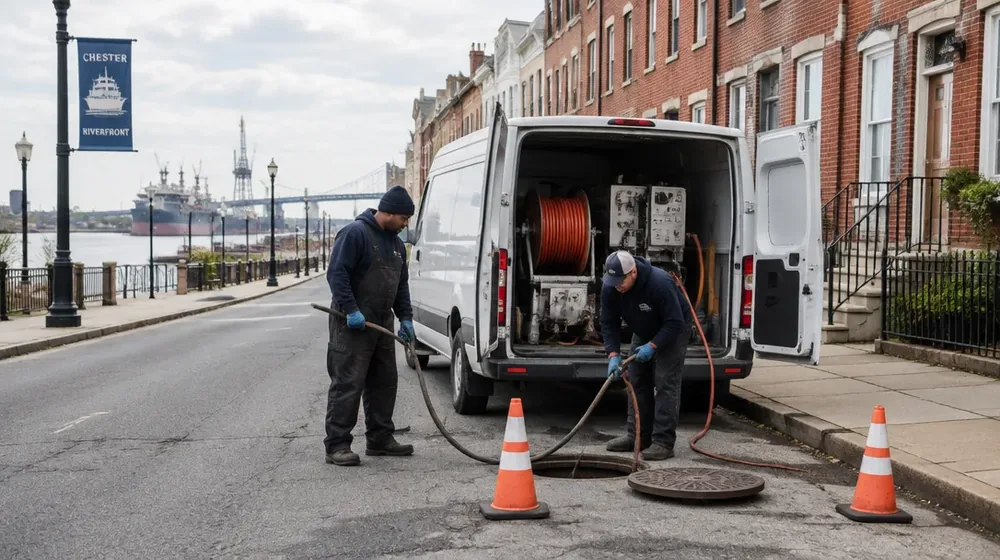
Chester at a glance
County: Delaware County · Area: Delaware County · Neighborhoods covered: 8 · Response: scheduled visits; 24/7 for active backups
Pipes you will find here: Vitrified clay tile on most pre-1940 laterals, cast iron interior and stack lines in nearly all the pre-war stock, mixed historic materials near old industrial blocks, PVC/ABS only on replacements and limited newer work.
What goes wrong with Chester plumbing
Industrial fill settlement and sheared hubs
Chester’s fill, cinder, and culverted-stream ground around the waterfront and old plant corridors settles unevenly and shears clay hubs outright. Offset joints snag paper continuously and bellies pond solids; grade-reading camera work separates lining candidates (offset but graded) from open re-grade jobs (bellies), which matters here more than anywhere in Delaware County.
Riverfront water table and combined sewers
Low blocks toward the Delaware carry a water table tied to river stage plus combined-sewer mains that fill during sustained rain. Basement fixtures on marginal laterals take the backup first. Clearing cannot create capacity that the main has consumed; joint sealing plus backwater protection is the scope that actually holds.
Century clay with undocumented connections
Old Chester blocks hide undocumented taps, abandoned taps, and connections rerouted around demolished structures. Excavating without a full camera map risks digging the wrong run entirely. A mapped inspection with depth and location readings is the cheap insurance that keeps a repair on the right pipe.
Housing stock and pipe materials
Housing: Predominantly 1880–1920 worker rowhouses, twins, and small apartment blocks across the city grid, with postwar infill toward Upland and the Widener University district and industrial-commercial blocks along the waterfront.
Likely pipe materials: Vitrified clay tile on most pre-1940 laterals, cast iron interior and stack lines in nearly all the pre-war stock, mixed historic materials near old industrial blocks, PVC/ABS only on replacements and limited newer work.
Who is responsible for the pipe in Chester
In most Philadelphia-area jurisdictions the property owner is responsible for the sewer lateral from the building to the connection at the public main — including the portion running under the street. The exact split differs by city, so confirm yours with Chester's public works or wastewater department before assuming any of it is theirs.
Two things worth checking before you pay for anything: whether the city runs a lateral repair assistance or low-interest loan program, and whether your homeowner's policy carries a service line endorsement.
Where we work in and around Chester
Within Chester we cover Avenue of the States, 9th Street corridor, Waterfront district, Upland edge, Widener University district, Sun Village, Lamokin Village, Highland Avenue corridor and the surrounding area. Same-day drain cleaning and rooter service is usually available across Chester, and dispatch runs around the clock for an active backup.
Nearby cities we also serve
What we do in Chester
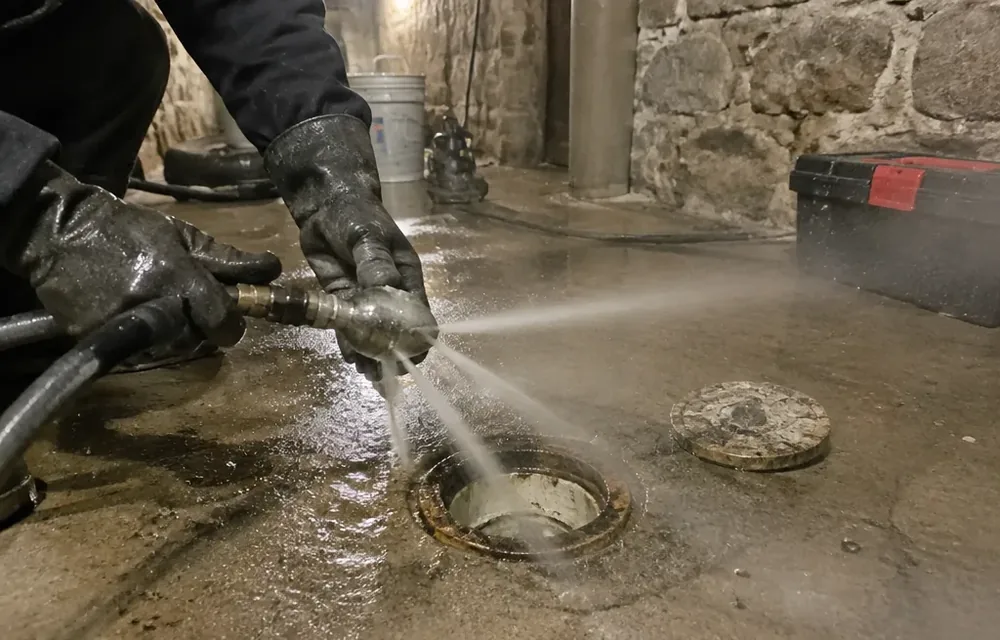
Hydro Jetting
A cable bores a hole through the clog.
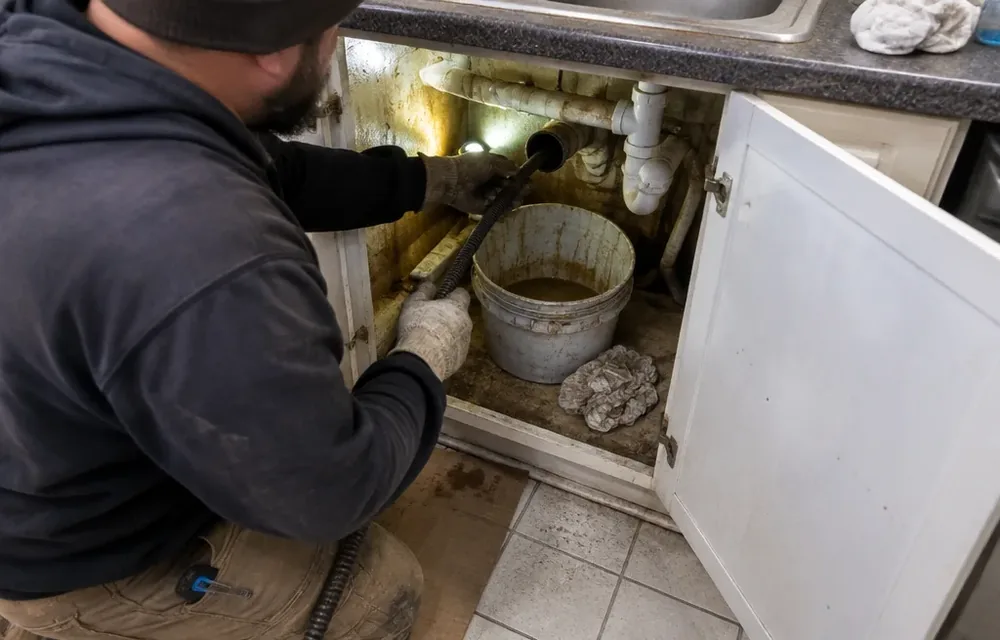
Drain Cleaning
A single slow sink is a nuisance.
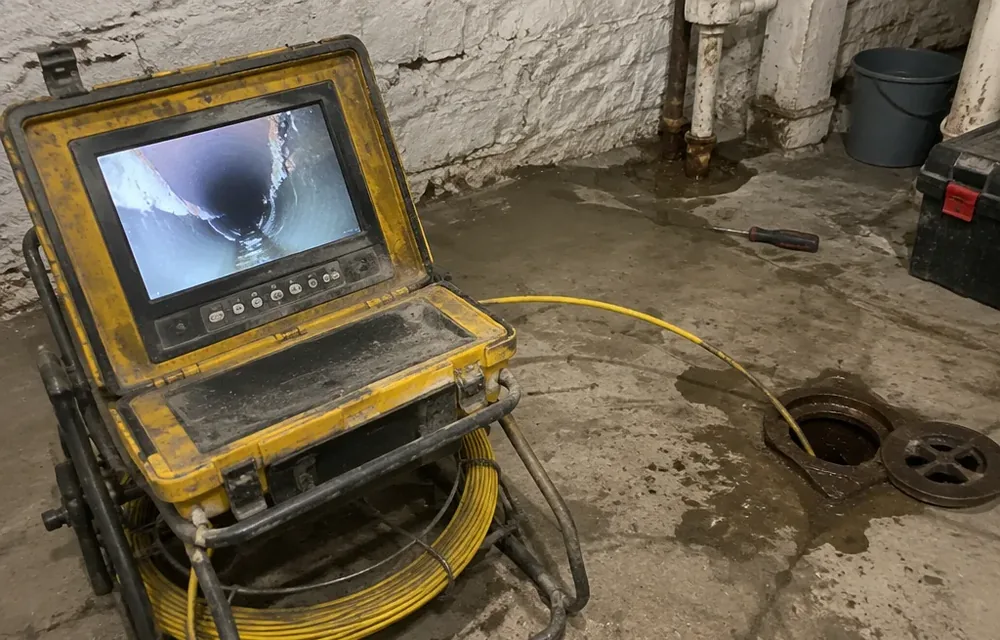
Sewer Camera Inspection
Every expensive sewer decision in Philadelphia — jet, repair, line, replace — depends on one thing: what the pipe actually looks like inside.
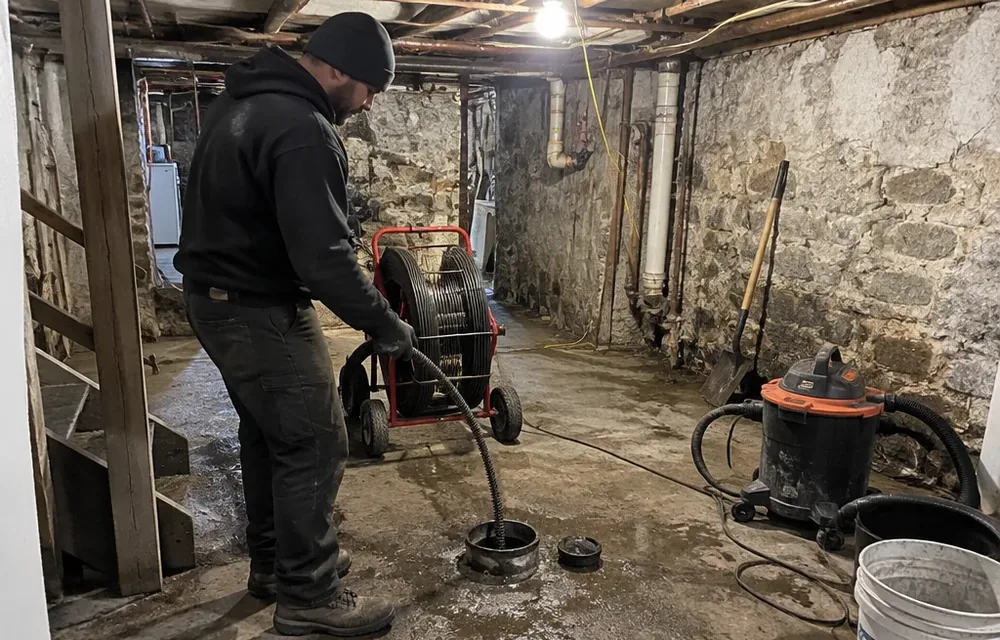
Main Sewer Line Cleaning
The lateral is the most expensive drain you own — a 60-to-100-foot clay run from your rowhouse to the street main, shared with stormwater, hunted by street-tree roots.
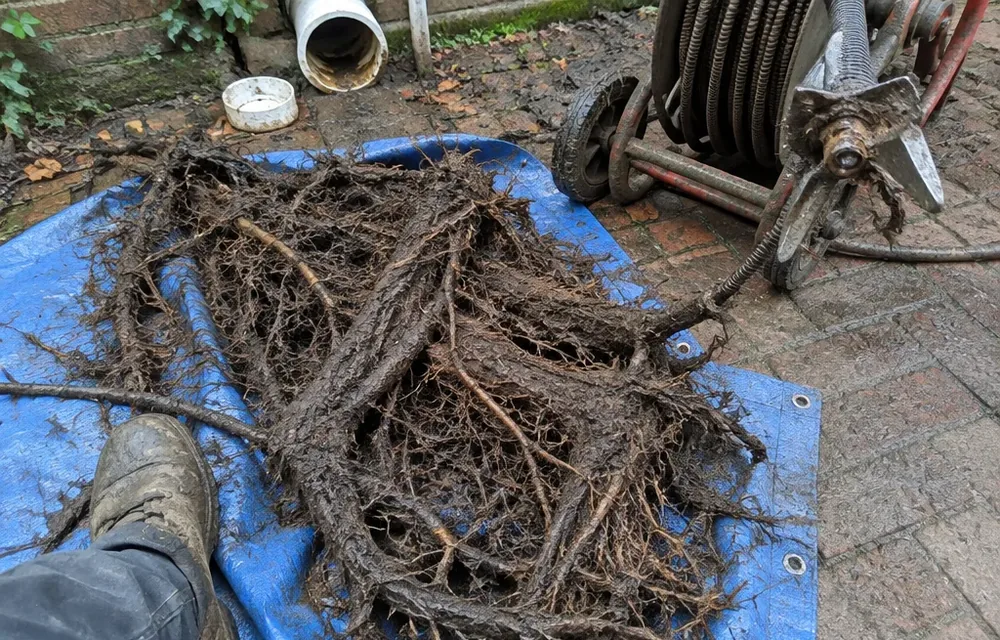
Rooter Service
Roots do not break your pipe to get in.
Kitchen Grease Line Jetting
Grease is the one clog material a cable cannot fix.
Bathroom Drain Cleaning
Bathroom clogs are almost never mysterious: hair, soap scum and toothpaste solids, wrapping around cast iron scale in a century-old branch arm.
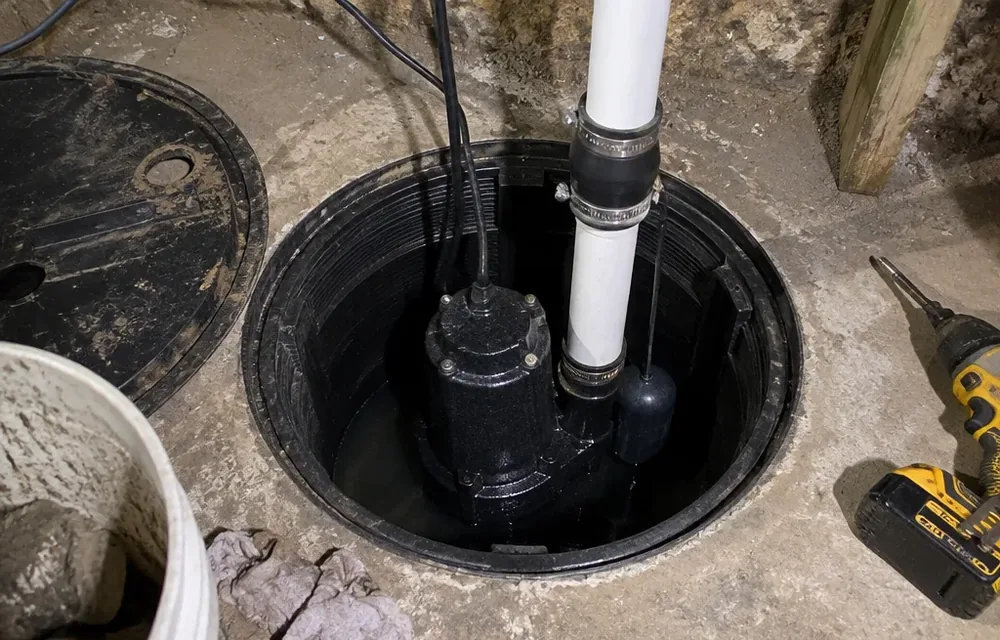
Basement Floor Drain Cleaning
The basement floor drain is the lowest opening in your rowhouse — which makes it the relief valve for every downstream restriction.
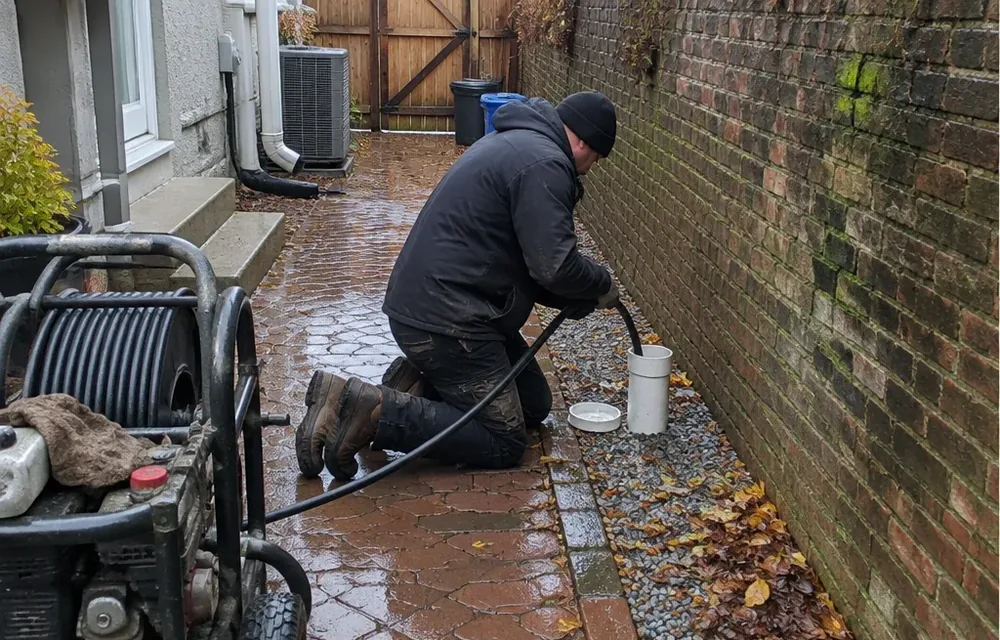
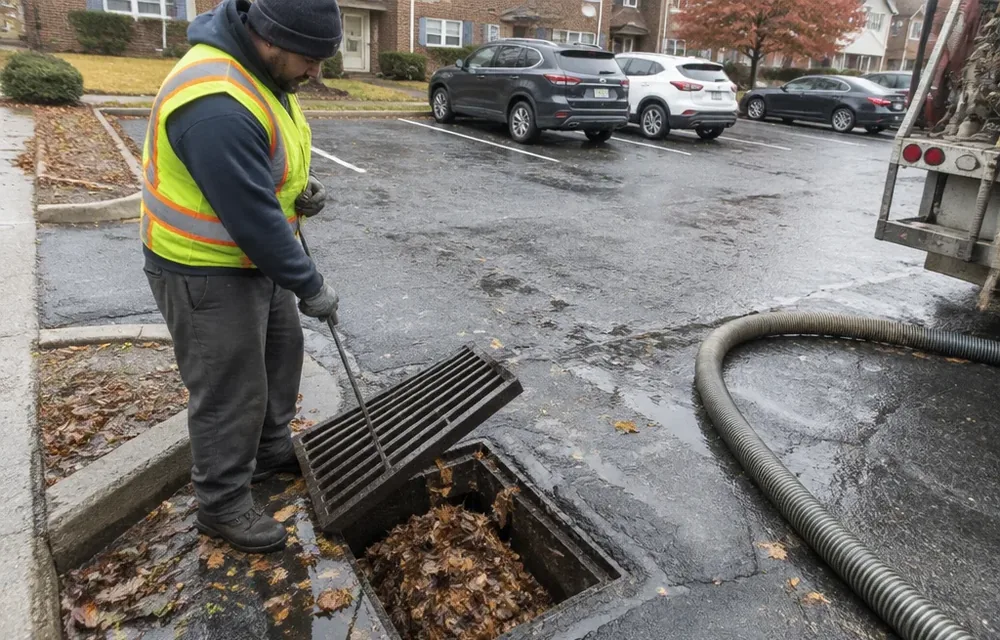
Storm Drain & Catch Basin Cleaning
A flooded loading dock or parking lot is rarely a rain problem.
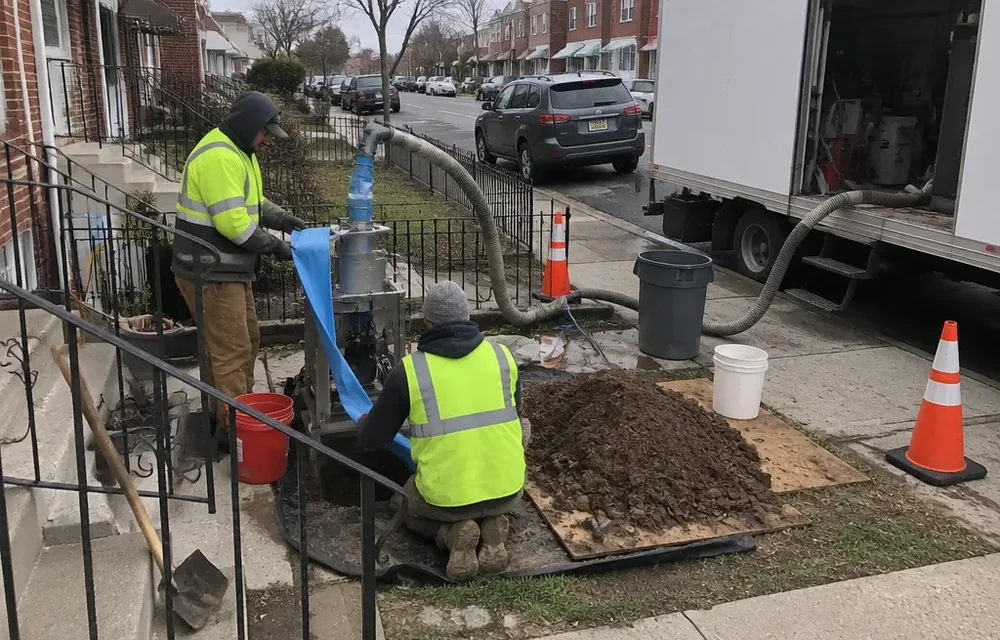
Commercial Hydro Jetting
Commercial drains fail on schedule — fryer volume, tenant count, storm season — so they should be serviced on schedule.
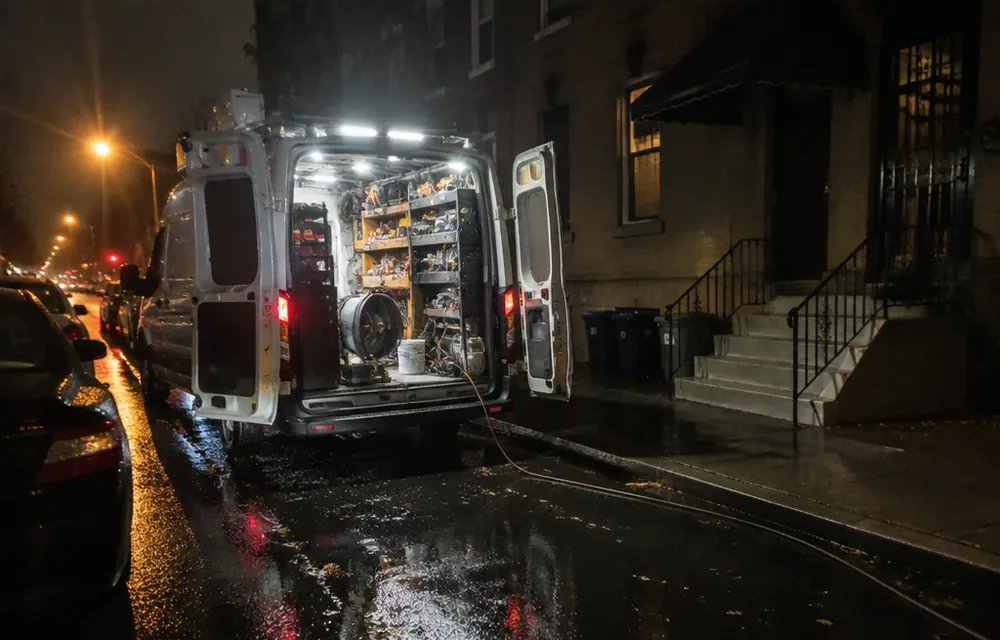
Emergency Drain Service
Sewage on the basement floor does not wait for business hours, and neither do we.
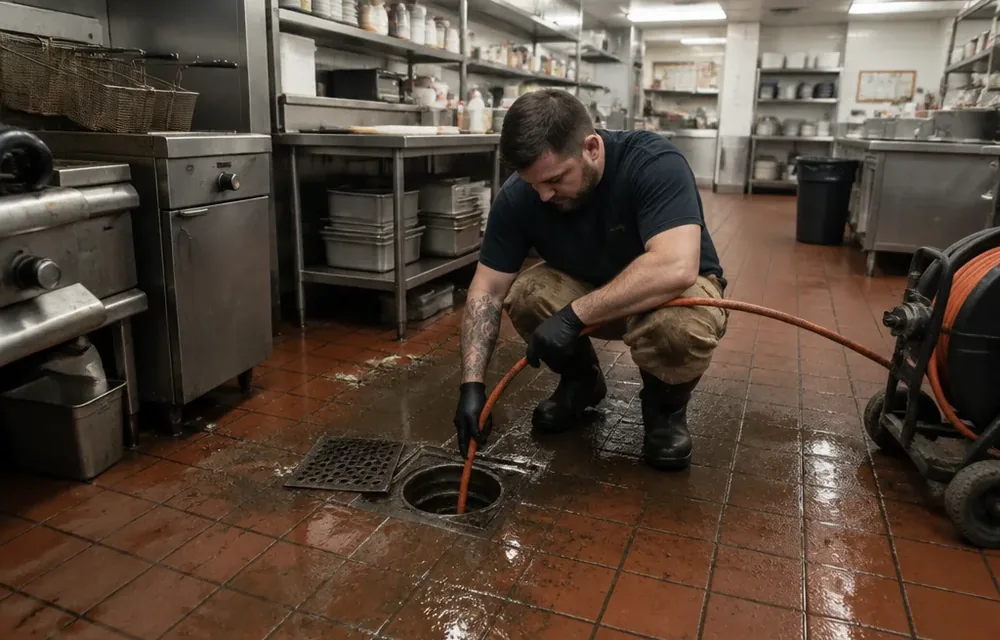
Restaurant Food-Service Jetting
A restaurant drain never fails at 2 p.
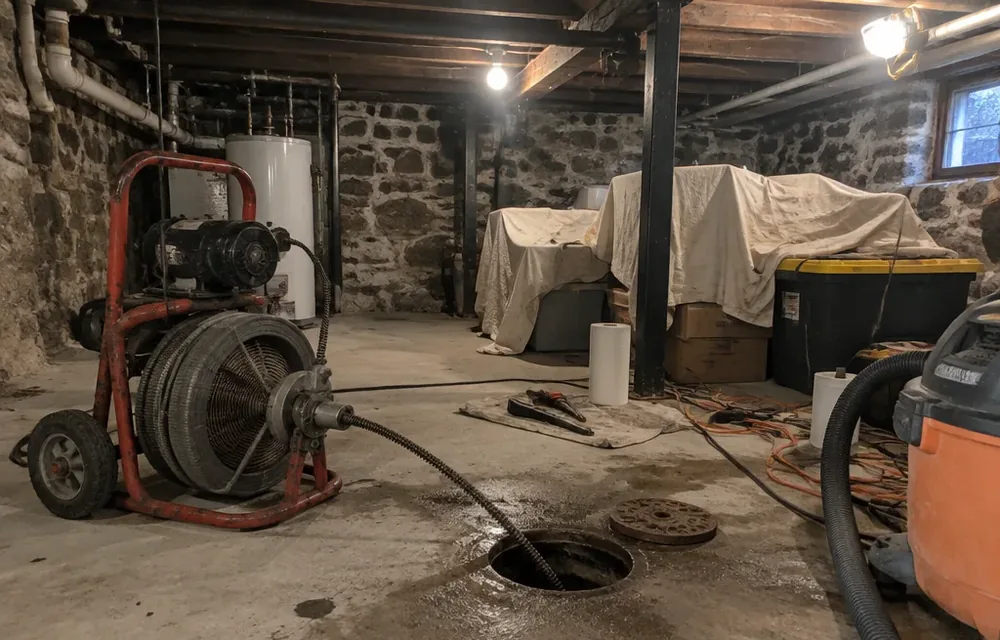
Property Manager Multifamily Drains
Nobody treats a rental drain like an owner does.
HOA Community Drains
HOA drain problems are never one owner's problem.
Guides and symptom checks matched to Chester's housing
Guides for this housing stock
- Basement Backup in Philly: Combined Sewers — how shared mains back up basements in sustained rain
- Tree Roots in Philadelphia Sewer Lines Guide — why clay joints open and what the camera should log
- Restaurant Grease Trap Maintenance in Philadelphia — trap logs and jetting intervals that keep kitchens open
Symptoms we trace in Chester
- Water Backing Up Into Fixtures — when one fixture fills another, act fast
- Same Clog Keeps Returning — repeat clogs mean coating or defect, not bad luck
- All Drains Slow — whole-house slowness means main line, not fixture
Chester plumbing questions
Why is camera mapping essential in Chester before digging?
Because old Chester blocks hide undocumented taps, abandoned taps, and connections rerouted around demolished structures near the waterfront and old plant corridors. Excavating without a full camera map with depth and location readings risks digging the wrong run entirely. The mapped inspection is the cheap insurance that keeps a repair on the right pipe.
What does industrial fill do to Chester laterals?
Fill, cinder, and culverted-stream ground settles unevenly and shears clay hubs outright while creating bellies that pond solids. Grade-reading camera work separates lining candidates (offset but graded) from open re-grade jobs (bellies) — opposite scopes with opposite prices on the same street from Upland to the waterfront.
Why do low Chester blocks back up during sustained rain?
Riverfront blocks carry a water table tied to Delaware River stage plus combined-sewer mains that fill during sustained rain, and basement fixtures on marginal laterals take the backup first. Clearing cannot create capacity the main has consumed; joint sealing plus backwater protection is the scope that holds.
What pipe does a 1900 Chester rowhouse have?
Vitrified clay tile outside with cast iron inside, now 100-plus years old under mature street trees. Expect roots at every joint, offset hubs from fill settlement, and invert scale in the iron together on one camera run — a full-run scope rather than a single-break repair.