Hydro Jetting in Horsham, PA — Tract Iron, Roots & Clay-Soil Silt Scoured
Horsham built out in the 1960s through the 1980s — colonials, split-levels, and townhouse tracts off Horsham Road and Blair Mill Road — on heavy clay soils at the headwaters of Pennypack Creek. Cast iron waste lines now forty to sixty years old scaling shut, clay tile joints admitting groundwater for months, mature tract maples over every run: the suburb-era composite. Jetting restores the scaled bore across Horsham — but only where the camera proves the pipe can take it.
- Horsham
- Montgomery County
- 24/7 dispatch
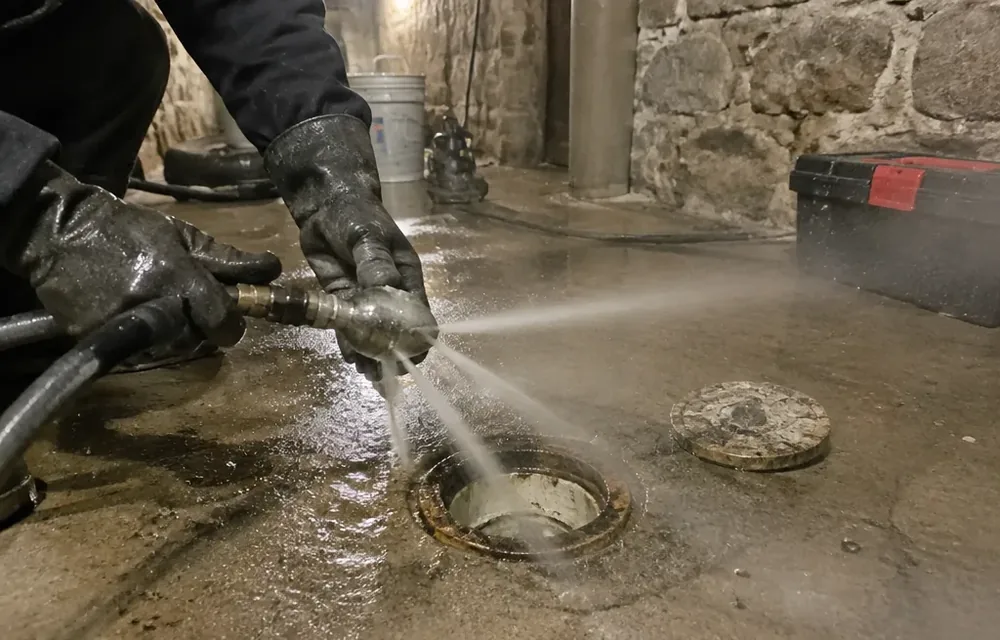
Hydro Jetting in Horsham
Why hydro jetting matters in Horsham
The 1960s–1980s colonials, split-levels, and townhouses along Horsham Road, Blair Mill Road, and the tract streets toward the Willow Grove line run cast iron waste lines plus clay tile building sewers, and the iron is now squarely in its failure window — corroding along the invert into a rough scaled bore that catches paper. Whole-house slow drainage returning weeks after cabling is the signature from one Horsham tract to the next. Above ground, mature tract maples have colonized the clay hubs, so multi-point root intrusion joins invert scale on the same camera run.
Under all of it sits the soil. Heavy Montgomery County clay across Horsham sheds water slowly, and the Pennypack Creek headwaters hold the winter water table near lateral depth for months — infiltration entering every open joint while sump basins in finished basements cycle hard. Laterals run partially full of groundwater all season, leaving no headroom for household flow. That layered composite — scale over roots over silt — shrugs off cables. A cutter head bores through and the silt slumps back within weeks; only high-pressure scouring with the matched head strips the Horsham wall back to host pipe and flushes the debris toward the main.
What a jetting visit looks like in Horsham
Subdivision access is the easy part across Horsham: driveways, exterior cleanouts, and garage-adjacent staging make most residential visits straightforward, while townhouse communities need the common-area routing confirmed before hoses cross shared ground. Early-1960s tract streets get one extra step — the camera hunts first for Orangeburg in the tail of the fiber-pipe window, which reverses the plan if found. Grade readings ride along on every camera pass, because clay-soil settlement bellies are common enough that jetting must never be sold against a sag.
Sound lines get the matched treatment: chain cutters for tract-maple roots, scouring heads for plated iron scale, conservative pressure wherever the iron grades thin. Passes run from the far end back with debris flushed toward the main, and the closing footage shows the Horsham bore restored with footage marks joint by joint. Winter visits note sump and infiltration load explicitly, because a lateral carrying headwaters groundwater needs sealing scope alongside any scour — the footage doubles as the lining estimate basis.
What affects the price in Horsham
Residential jetting in this market typically falls between $375 and $950. Straightforward Horsham subdivision work with good cleanouts and a single soft clog lands low; tract clay with root-plus-scale loading, long townhouse runs, and infiltration silt that adds passes push upward. Reachable exterior cleanouts hold the figure down, while buried access and finished-basement routing add labor before cleaning starts on any Horsham visit.
The finding that moves budgets is wall loss. Iron graded thin along the invert converts the job from cleaning to lining or replacement planning — construction money, scoped separately with footage. Montgomery County owners should expect after-hours premiums stated by phone, and should treat any pressure quote given without a camera grade on tract-era iron as a gamble, not a plan. A belly found holding water converts the scope to re-grading, priced separately.
When jetting is the wrong answer in Horsham
Bellies lead the refusal list across Horsham. Standing water in a clay-soil sag means the line needs open repair and re-grade; neither pressure nor a liner corrects slope, and headwaters ground produces more settlement movement than most tract grids. Cast iron channeled thin along the invert is the second refusal — pressure against remaining wall risks failure, and the scope is lining or replacement. Early-1960s Orangeburg pockets and clay segments offset by settlement complete the structural refusals.
Saturation failures need equal candor. When Pennypack headwaters groundwater keeps the lateral infiltrated for months, the Horsham line is short of capacity rather than coated — scouring silt without sealing joints repeats every wet season. Camera first, grade read, wall graded: scour the sound, seal the leaky, replace the failed, and re-grade the sagged. Spending cleaning money twice without sealing is the most expensive option on the menu.
Hydro Jetting in Horsham: questions
How much does hydro jetting cost in Horsham?
Residential visits usually fall between $375 and $950. Good-access subdivision lines with soft clogs land low; older tract clay with roots and scale, long runs, and infiltration silt load higher. A belly found on camera converts the scope to re-grading, priced separately.
Why does my Horsham colonial drain slowly again weeks after cabling?
Because forty-to-sixty-year-old iron reforms the restriction on the scale the cable left behind, with tract-maple roots and headwaters silt joining in. Whole-house slow drainage returning within weeks is wall failure in progress — the signal to camera-grade the iron and choose between jetting maintenance and lining or replacement.
Will jetting stop wet-season backups with no clear clog?
Only if buildup is the cause. High winter groundwater at the Pennypack headwaters infiltrating open joints is a capacity failure, and the silt returns with the water. Rain-season timing points to sealing scope; usage-timed slowing points to scouring. The camera tells them apart on any Horsham line.
Can jetting fix a belly in my Horsham lateral?
No — and neither can lining. A sag that ponds water is a grade failure, and both methods follow existing shape. The camera with grade readings separates a belly needing excavation and re-grade from a rough-but-graded line that jetting or lining handles. That reading is the whole decision.
Related services in Horsham
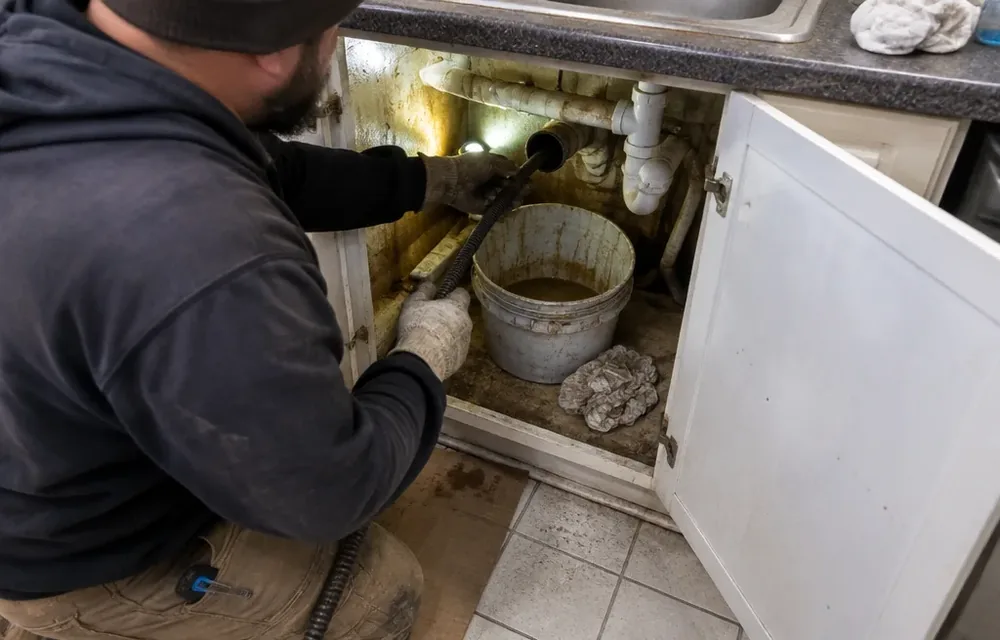
Drain Cleaning
A single slow sink is a nuisance.
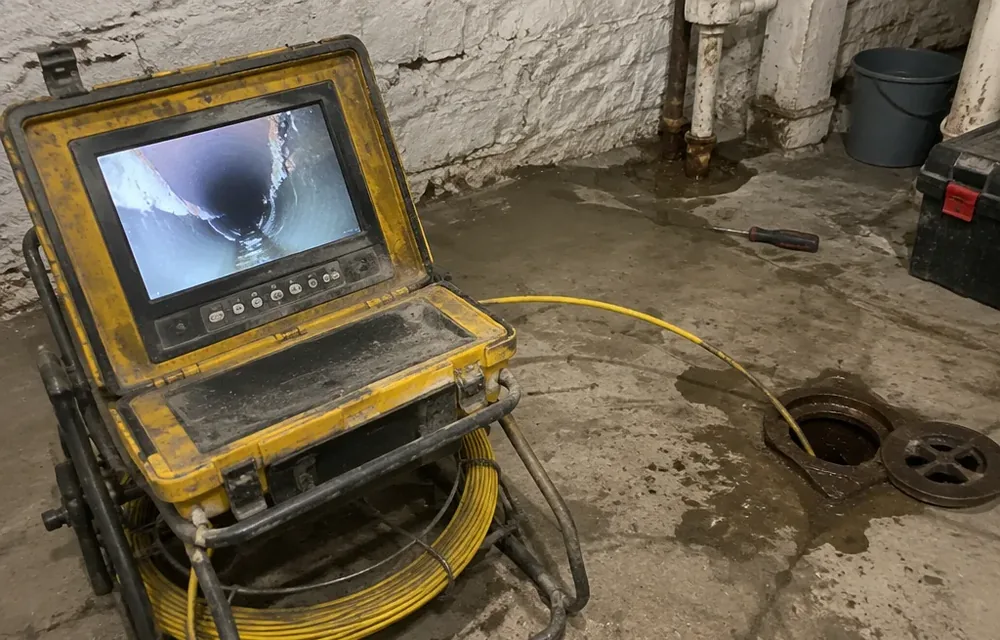
Sewer Camera Inspection
Every expensive sewer decision in Philadelphia — jet, repair, line, replace — depends on one thing: what the pipe actually looks like inside.
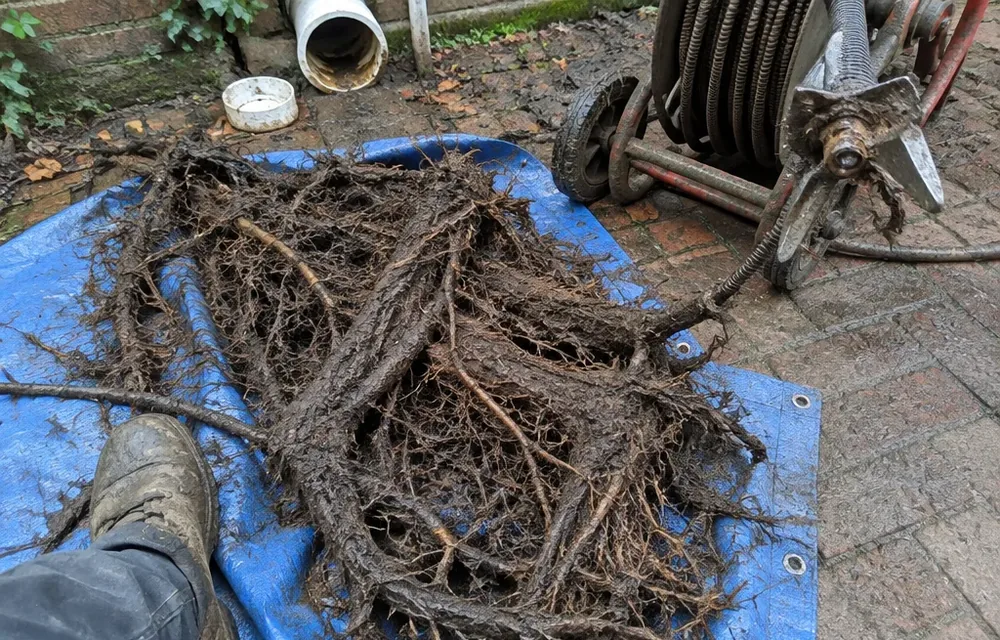
Rooter Service
Roots do not break your pipe to get in.