Hydro Jetting in Cheltenham, PA — Tookany Creek Clay & Tract Lines Cleaned
Cheltenham Township splits cleanly by era: pre-war clay under a towering canopy, and 1945–1960 tracts in the Orangeburg window, all draining toward Tookany Creek bottomlands. Jetting rescues the first group and endangers the second — so the camera, not the nozzle, opens every visit.
- Cheltenham
- Montgomery County
- 24/7 dispatch
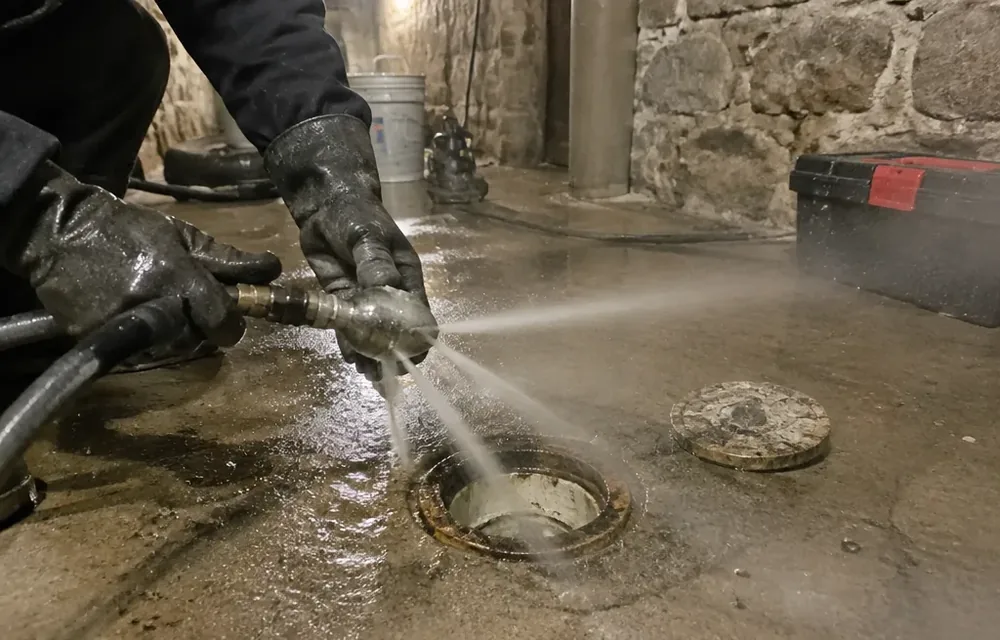
Hydro Jetting in Cheltenham
Why hydro jetting matters in Cheltenham
The streetcar suburbia of Elkins Park, Melrose Park, Wyncote, and La Mott runs 1920s–1930s clay tile laterals under mature oak and maple cover, with roots at every hub as the standard camera finding. Blocks draining toward Tookany Creek and its tributary swales carry a high winter water table from Melrose Park to the Philadelphia line, so infiltration silt enters every open clay joint and deformed Orangeburg seam for months. Cast iron interiors in most homes built before 1975 scale shut at the same time, completing a composite — root hair over grease over grit over tuberculation — that cables tunnel through and that rebuilds on schedule.
Full-circumference coating is the jetting brief, and Cheltenham pre-war lines are its portrait subject. High-pressure water with cutting heads for the roots and scouring heads for the wall strips the composite back to host pipe and flushes it toward the main, where a cable would leave debris to re-lodge. Montgomery County homeowners here should read recurrence as the diagnostic: two clearings in eighteen months means the wall was never cleaned, and the next spend belongs on scouring plus a plan for the marked joints — lining where the clay is sound.
What a jetting visit looks like in Cheltenham
Era identification opens the visit. On pre-1945 colonials, stone twins, and brick rows, the crew stages from basement or exterior cleanouts and cameras the full run, mapping intruded hubs under the canopy that defines these neighborhoods. On 1945–1960 tract streets, the camera hunts first for Orangeburg fiber pipe — rated for 30 to 50 years, now 65-plus years old in wet ground, ovaled and blistered, unable to take pressure and generally unable to take a liner. Finding it ends the jetting plan and converts the day into replacement scoping with footage to show why.
Sound clay gets the full treatment: passes from the far end back, pressure matched to material, debris flushed toward the main. Creek-bottom blocks with infiltration load get the honest readout — jetting clears silt but cannot seal the joints admitting groundwater, so the footage doubles as the lining or replacement estimate basis. The closing pass shows cleaned wall joint by joint while the township canopy stands untouched overhead.
What affects the price in Cheltenham
Residential jetting in this market usually lands between $375 and $950. Cheltenham pre-war lines with multi-joint roots need cutting plus scouring and sit higher than single soft clogs; creek-side infiltration silt adds passes. Reachable cleanouts and driveway staging hold the figure down, while finished-basement routing and buried access add labor before cleaning starts. Most Cheltenham Township work falls mid-band for Montgomery County once access is accounted for.
The price event that matters is Orangeburg discovery. A tract lateral with failed fiber pipe is not a cleaning job at any figure — it is a replacement budget with five-figure weight in a purchase negotiation, which is why camera inspection before buying on these streets pays for itself many times over. After-hours premiums are stated by phone and kept separate from any follow-on construction scope.
When jetting is the wrong answer in Cheltenham
Failed Orangeburg is the definitive refusal: pressure risks collapse and lining needs a round host the deformed pipe cannot offer, so replacement is the only scope. The supporting refusals are familiar — cast iron channeled thin along the invert, clay hubs offset by settlement, bellies ponding water in creek-bottom ground — all shape or wall failures that no cleaning corrects.
Capacity failures deserve equal honesty. When Tookany Creek bottomland groundwater fills the lateral for months, January backups with no new clog are the line running out of headroom, not a coating problem. Scour the silt, then seal the entries by lining sound clay or replacing failed pipe — spending cleaning money twice without sealing is the most expensive option on the menu.
Hydro Jetting in Cheltenham: questions
How much does hydro jetting cost in Cheltenham?
Most residential visits fall between $375 and $950. Multi-joint root work under the township canopy and creek-side silt loading sit higher; accessible soft clogs sit lower. Orangeburg found on camera changes the job from cleaning to replacement budgeting.
Can my 1950s Cheltenham tract lateral be jetted?
Only if the camera proves the wall sound. Tracts from roughly 1945 to 1960 can carry fiber pipe that pressure will damage and that generally cannot be lined. Identification of the actual pipe material comes before any nozzle decision — no exceptions on these streets.
Why do my winter backups never appear in summer?
Because the cause is seasonal water, not a fixed clog. High winter groundwater toward Tookany Creek enters open joints for months, leaving no headroom for household flow. Jetting clears silt; sealing stops the entry. Rain-season timing is the clue the camera confirms.
Do spot repairs work on Cheltenham clay?
Rarely for long. Multi-joint intrusion means the next hub over keeps growing while the repaired one holds. Full-run mapping, scouring, then sealing every joint at once is the sequence that ends the rotation — isolated repairs fail in sequence on these streets.
Related services in Cheltenham
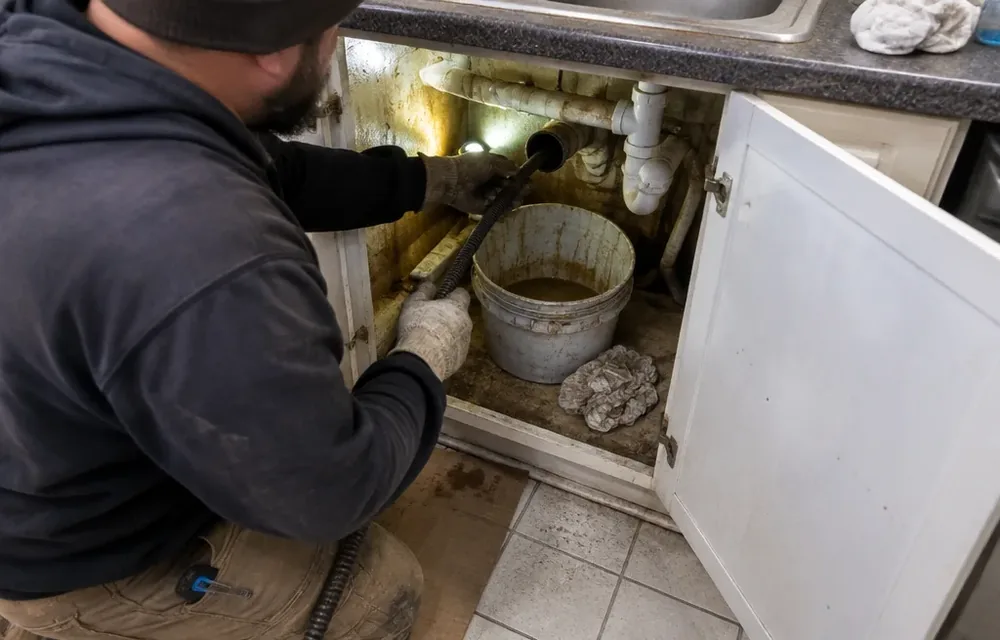
Drain Cleaning
A single slow sink is a nuisance.
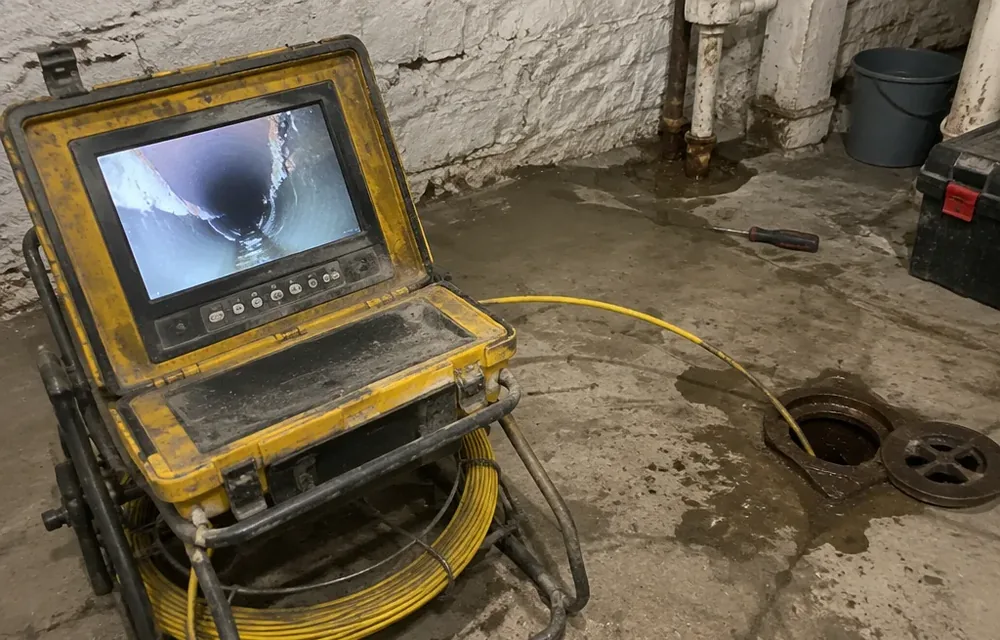
Sewer Camera Inspection
Every expensive sewer decision in Philadelphia — jet, repair, line, replace — depends on one thing: what the pipe actually looks like inside.
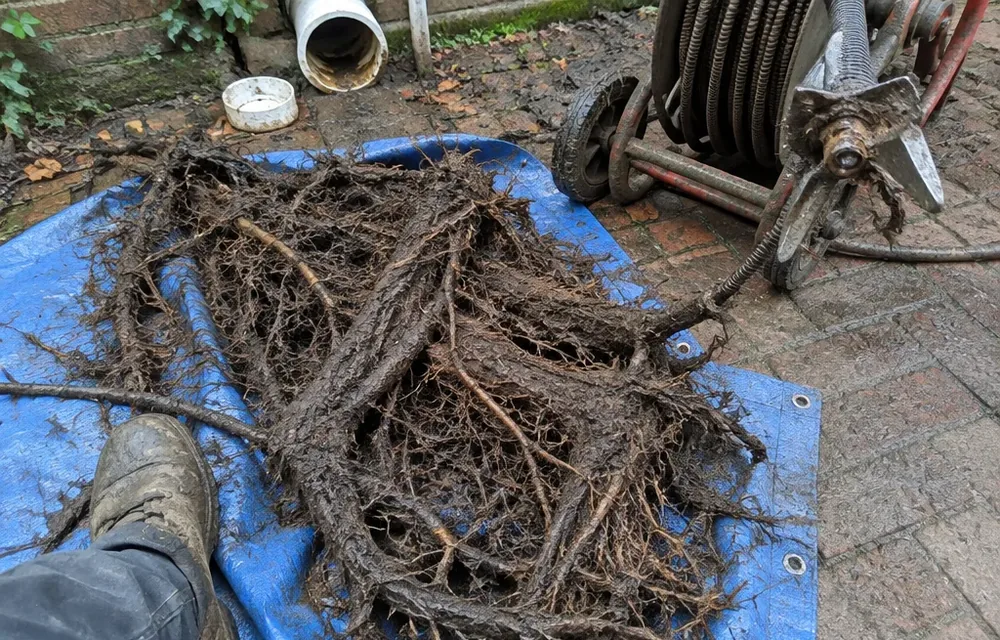
Rooter Service
Roots do not break your pipe to get in.