Can I do hydro jetting myself?
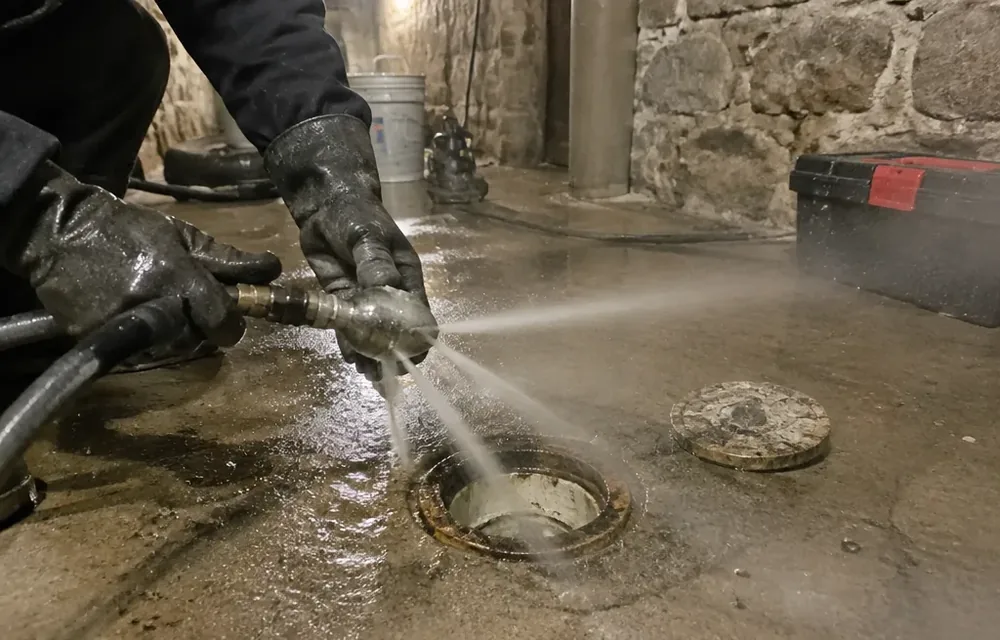
No, renting a jetter or buying a pressure-washer kit cannot reproduce professional hydro jetting in a Philadelphia rowhouse. Pros pair 1,500 to 4,000 PSI with high flow, camera guidance, and matched nozzles, while DIY setups lack all three and rinse a channel rather than scouring the wall.
- Direct answer
- 2 min read
Rental machines are the first disappointment. Most consumer rentals and small electric units deliver modest pressure with low gallons per minute, which means the stream cuts a narrow path through grease or sludge and leaves the wall coating intact. The clog returns in weeks because the pipe diameter was never restored. Pressure-washer jetter kits sold alongside Harbor Freight-type washers have the same ceiling: they can rinse a short, small-diameter branch such as a kitchen arm or a laundry standpipe, but they cannot push a rotary head forty to eighty feet down a rowhouse lateral beneath the front sidewalk to the combined main, and they cannot carry the flow needed to flush debris out to the street. Professionals size the job instead: roughly 1,500 PSI for fragile interior cast iron stacks, mid-range pressure with rotary heads for grease-laminated kitchen lines, and up toward 4,000 PSI only on verified sound clay or heavy root-and-scale work, always with flow matched to the diameter so debris exits instead of resettling downstream.
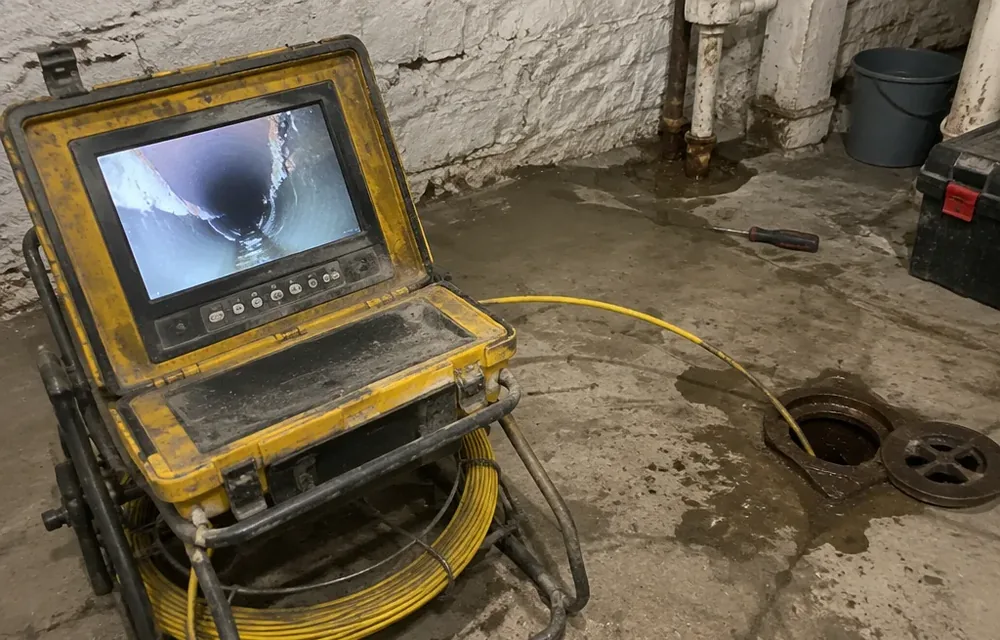
The risks are physical and structural, not just disappointing results. A jetter hose under thousands of PSI can lacerate skin, injure eyes, and whip violently if the nozzle exits the pipe or the operator loses footing on a wet South Philadelphia or Kensington basement floor. Inside the building, pressurizing past a blockage without knowing what is downstream floods fixtures: water forced into a line with a belly or offset joint backs up through the lowest opening, which in rowhouses is often a basement floor drain or laundry tub. The pipe itself is the costliest gamble. Philadelphia laterals include vitrified clay with century-shifted joints, cast iron thinned by tuberculation, and 1945 to 1972 Orangeburg fiber pipe that pressure destroys outright. Without a pre-clean camera inspection, a DIY operator cannot tell sound clay that welcomes scouring from Orangeburg or collapsed clay that the same pressure converts into an excavation, and Point Breeze, Fishtown, and West Philadelphia blocks hold both conditions on the same street.
What homeowners can do themselves still matters. A plunger or hand auger clears a single soft fixture clog, enzyme maintenance keeps a freshly jetted kitchen line open longer, and locating the cleanout before trouble starts saves real time: know whether you have an exterior two-way cleanout, a basement cleanout near the front wall, or no cleanout at all, and keep it accessible. Never open a main cleanout with sewage standing behind it, never run chemical drain openers before any mechanical work, and stop at repeated clogs across multiple fixtures, sewage odors, gurgling, or water at the floor drain. Those patterns mean the lateral or the combined sewer connection is involved, and the next step is a camera inspection with footage marks, not more pressure.
Want the full picture?
How Hydro Jetting Works: PSI, GPM & Nozzles — Read the full guide: how PSI, GPM, and nozzles work.
Follow-up questions
Will a pressure-washer jetter kit clear my main sewer line?
Almost never. Kits lack the flow to carry debris to the city main and the camera guidance to confirm the wall is clean, so they bore a temporary channel through buildup that closes again within weeks.
What should I do before calling for a repeat clog?
Note which fixtures are affected, locate your cleanout, and stop using water on that branch. That information lets the crew price access correctly and protects the basement from a backup.